

Daily Sales Updates Feel Responsible — Until They Become Harmful
Most jewellery leaders start their mornings the same way:
- “What were yesterday’s sales?”
- “Which store performed?”
- “Who missed the target?”
At first, it feels responsible.
It also reflects a more disciplined approach.
Numbers create the feeling of control.
Over time, daily sales pressure changes how leaders think, how teams work, and how teams treat customers.
I prefer this response
High-value purchases do not follow a one-day cycle. Customers think, compare, discuss with family, revisit designs, and often return later. Yet many businesses still judge performance using yesterday’s closing numbers.
That creates pressure in the wrong places.
Instead of improving the system, teams start reacting to short-term fluctuations.
Why Daily Sales Numbers Don’t Reflect Reality in Jewellery
Jewellery does not behave like FMCG retail or fast-moving eCommerce categories.
A high-ticket jewellery purchase usually involves:
- emotional consideration
- budget planning
- family discussion
- trust-building
- multiple follow-ups
Some customers convert in two days, Others take two months.
That is why daily sales numbers only show completed outcomes. They do not show buying intent, future pipeline strength, or customer readiness.
A store may appear “slow” today while quietly building strong conversions for next week.
Another store may hit targets aggressively while damaging customer trust underneath.
Daily sales reports rarely show that difference.
Leaders then start steering the business using incomplete signals.
The Hidden Damage Caused by Daily Sales Monitoring
The issue is not tracking performance.
The issue is over-reacting to incomplete data.
Here’s what usually starts happening inside jewellery businesses that become too dependent on daily sales updates.
1. Leaders Start Managing Outcomes Instead of Systems
Daily reviews naturally push conversations toward outcomes:
- “Why didn’t this close?”
- “Why were numbers low today?”
- “What happened in this store?”
But revenue problems usually begin much earlier.
The real causes are often:
- missed follow-ups
- poor timing
- lack of customer context
- inconsistent communication
- weak lead handling
By the time sales dip, the actual issue has already happened days before.
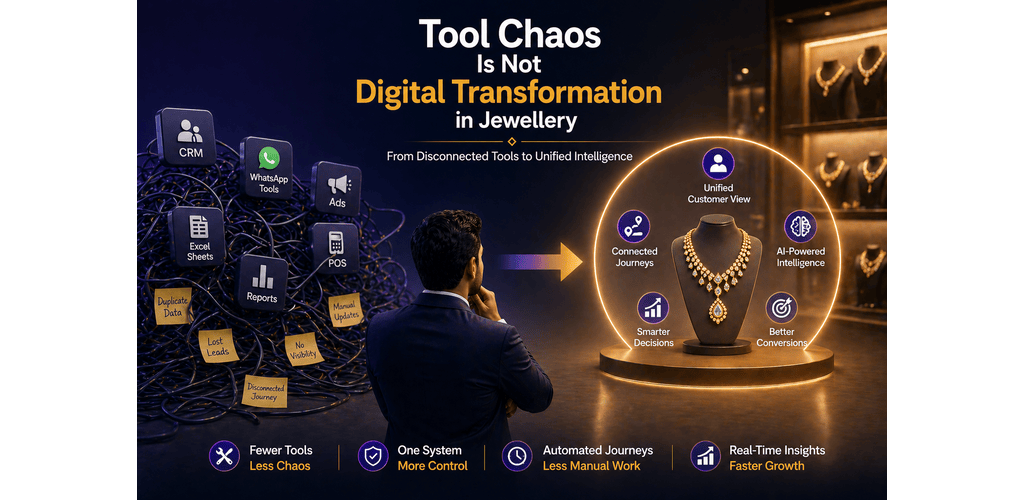
Strong jewellery businesses focus less on yesterday’s revenue and more on the processes; that is where systems matter.
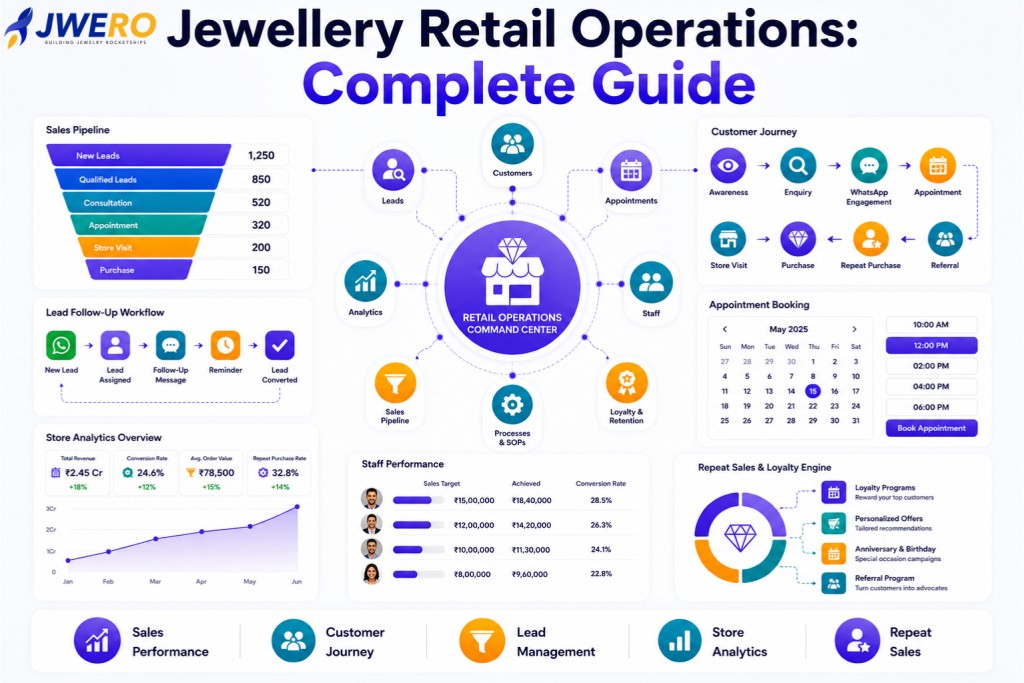
Tools like Jwero.ai help leaders track customer activity, follow-up quality, and buying intent before they lose conversions.
2. Teams Optimise for Today Instead of Conversion Quality
When stores are pushed daily for numbers, behaviour changes quickly.
Sales teams begin to:
- rush closures
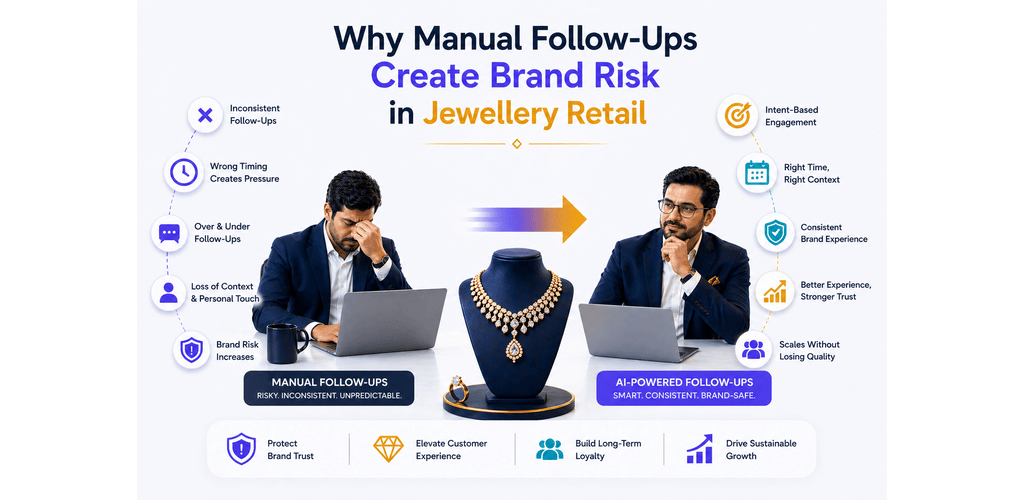
- follow up too aggressively
- offer discounts earlier than necessary
- Emphasise quick wins over meaningful relationships
This creates pressure selling.
And pressure selling rarely works well in jewellery retail.
Customers buying bridal jewellery, diamonds, or high-value pieces need reassurance and patience. If every interaction feels transactional, trust weakens.
Over time, businesses may still generate sales, but brand perception starts slipping quietly in the background.
That damage is harder to measure.
3. Silence Gets Treated Like Failure
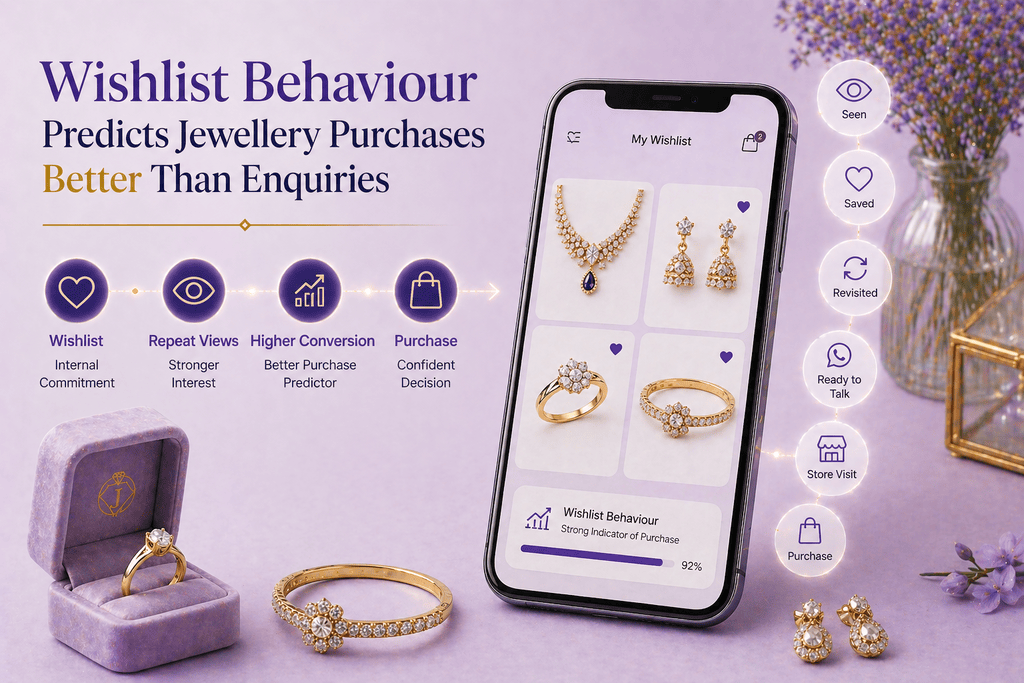
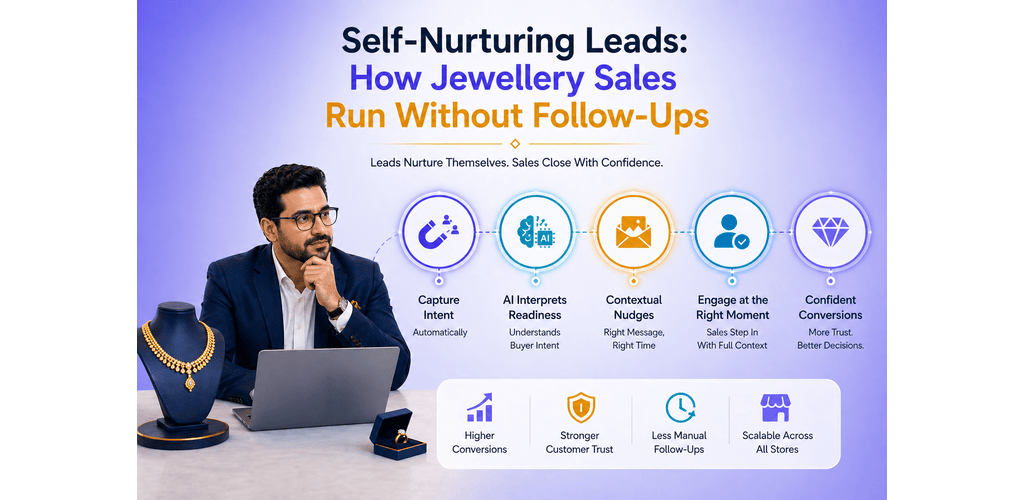
One of the biggest mistakes in jewellery retail is assuming silence means disinterest.
In reality, silence often means consideration.
Customers may be:
- discussing purchases with family
- waiting for an occasion
- comparing options
- managing budgets
- emotionally processing the decision
Daily sales pressure usually ignores this behaviour.
Teams then over-follow-up, interrupt customer comfort, and create fatigue.
Good jewellery selling requires timing, not constant chasing.
This is where centralised communication systems such as Jwero Chats become useful. Teams can see conversation history, customer responses, and engagement patterns clearly instead of relying on repetitive manual follow-ups.
4. Leaders Get Pulled Into Micro-management
Low numbers often trigger the same cycle:
- urgent calls
- escalations
- repeated questioning
- constant intervention
Eventually, leadership teams spend more time dealing with day-to-day distractions.
Instead of focusing on expansion, customer experience, hiring, or strategy, leaders spend their day solving short-term symptoms.
That creates dependency inside teams.
Managers stop thinking separately because they expect constant oversight.
Healthy retail operations need accountability.
But accountability should come from systems, not fear.
5. High-Value Leads Quietly Get Ignored
Daily targets usually reward speed. That creates a dangerous side effect.
Teams start organising:
- easy conversions
- smaller ticket purchases
- low-resistance customers
Meanwhile, high-intent buyers with larger potential value may receive less attention because their journey takes longer.
Over time, this affects:
- average order value
- repeat business
- premium positioning
- customer lifetime value
The business may appear stable on paper while gradually weakening its future revenue quality.
Why Daily Sales Tracking Exists in the First Place
Most leaders do not ask for daily sales updates because they enjoy pressure.
They ask because they lack confidence in what they cannot see.
Usually, the business has limited visibility into:
- customer intent
- follow-up quality
- lead ageing
- engagement consistency
- conversion risks
As a result, daily sales become a replacement for business clarity.
The problem is not curiosity.
The problem is relying on revenue alone to judge business health.
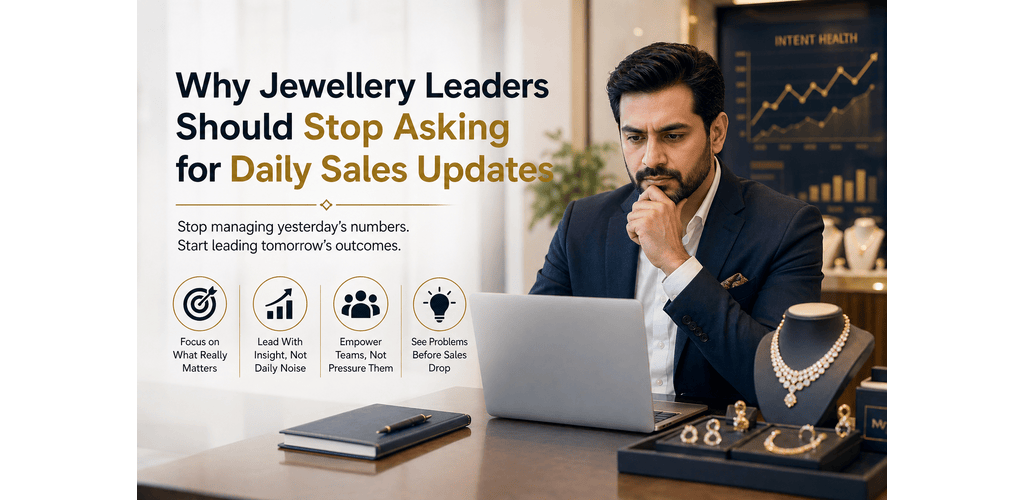
What Jewellery Leaders Should Track Instead
The goal is not to stop tracking, but to track more meaningful business metrics.
Jewellery businesses grow faster when leaders monitor early indicators instead of waiting for outcomes.
Replace Daily Sales With These 4 Signals
1. Intent Health
Ask questions like:
- Are high-intent leads increasing?
- Which customers are actively engaging?
Why is the pace of customer conversations decreasing?
Intent signals often predict revenue before revenue appears.
2. Engagement Quality
Track:
- response timing
- follow-up frequency
- conversation quality
- customer responsiveness
This helps teams avoid both neglect and over-communication.
Platforms like Jwero WhatsApp Automation can help standardise communication without making customer interactions feel robotic.
3. Conversion Stability
Daily spikes are less important than consistency.
A better leadership question is:
“Are conversions becoming more stable over time?”
Weekly and monthly trends usually reveal far more than one-day fluctuations.
4. Exception-Based Alerts
Leaders should step in when something genuinely breaks.
This should not happen daily.
Modern systems can identify:
- neglected leads
- delayed follow-ups
- sudden engagement drops
- unusual conversion behaviour
That creates calmer and more focused leadership.
The Right Cadence for Jewellery Leadership
MetricReview Frequency, Intent health, Daily Engagement quality, Weekly Conversion trends, Weekly / Monthly Revenue performance, Weekly / Monthly Strategic planning, Quarterly
This structure creates:
- better decision-making
- less emotional reaction
- stronger store management
- healthier customer handling
Most importantly, it gives leaders room to think long-term again.
What Happens When Leaders Stop Asking for Daily Sales
The change inside teams becomes noticeable surprisingly fast.
Customer conversations improve.
Store managers take more ownership.
Sales pressure reduces.
High-value buyers receive more thoughtful attention.
And leaders spend less time reacting emotionally to short-term fluctuations.
Businesses often discover that conversions become more stable once teams stop operating in panic mode.
Enterprise Perspective: Control Without Hovering
Strong retail leadership is not about constant checking.
The focus should be on building systems that identify risks at an early stage.
The best jewellery businesses do not wait for revenue to collapse before noticing problems.
These systems track customer behaviour, engagement flow, and business consistency throughout the process.
That creates confidence.
And confident leadership rarely needs hourly updates.
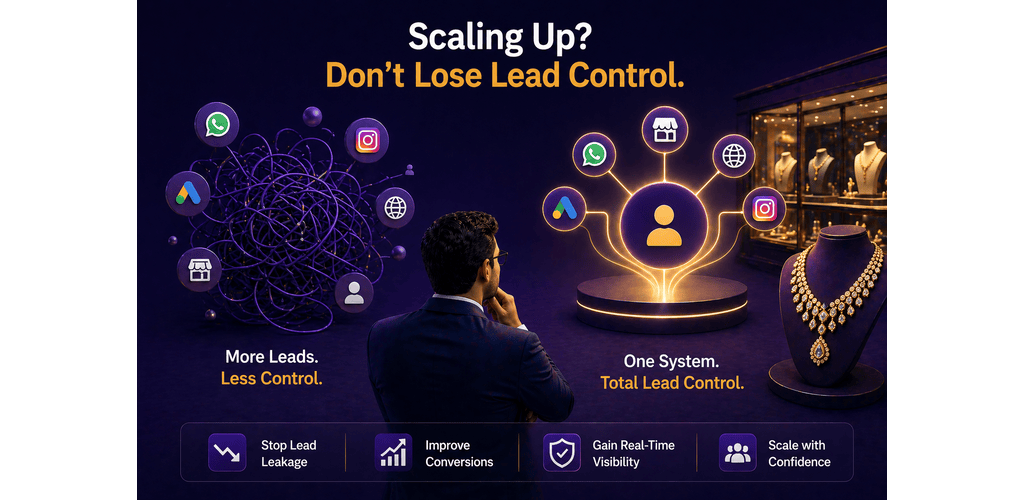
Brands can manage all customer conversations in one place with tools like Jwero Instagram Automation and Jwero Facebook Automation. This avoids scattered chats across staff devices.
Geography & Daily Sales Obsession
Different markets behave differently, but the leadership pattern stays surprisingly similar.
India
Many jewellery businesses still rely heavily on owner-led monitoring.
Daily WhatsApp sales screenshots often replace structured reporting systems.
Middle East
Premium brand pressure increases focus on short-term store performance and daily comparisons.
Southeast Asia
Fast-moving retail environments can encourage reactive management habits and constant intervention.
Operations across different regions.
This leads to a similar business challenge.
How Technology Reduces the Need for Constant Sales Checking
The real goal is not fewer reports.
This creates better clarity.
When leaders can clearly see:
- lead quality
- customer movement
- engagement history
- follow-up gaps
- conversion risks
…they stop depending on daily revenue alone.
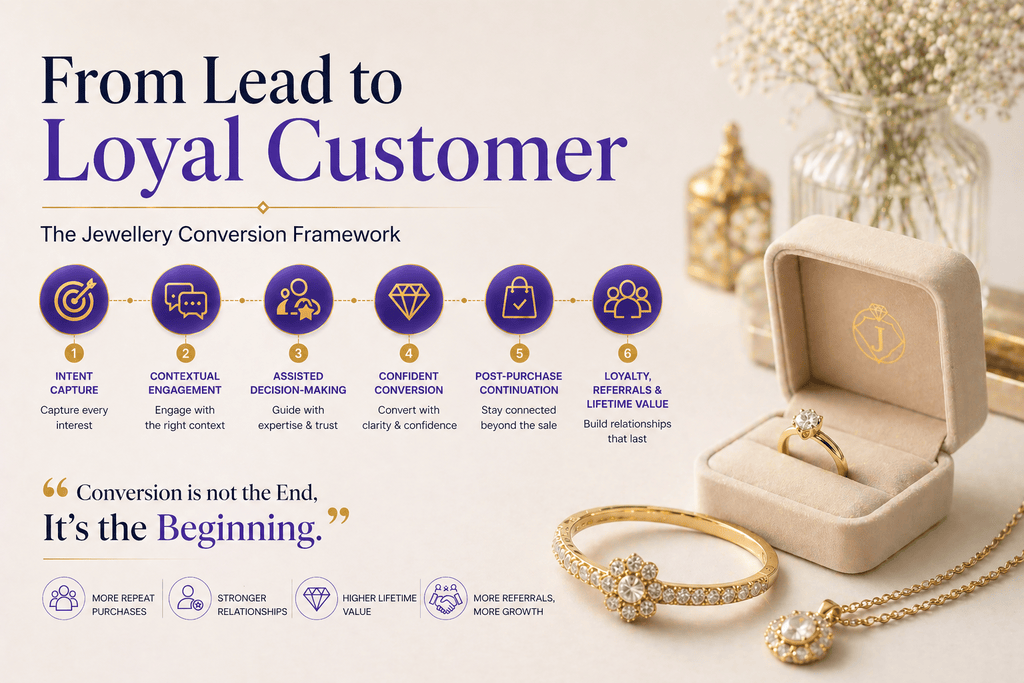
This is why many jewellery retailers are shifting toward connected retail systems and integrated customer workflows.
JWERO Ecommerce helps teams connect online customer activity with in-store interactions. This gives a clearer understanding of buying intent before customers visit the showroom.
Frequently Asked Questions
Should jewellery leaders stop tracking sales daily?
However, businesses should not eliminate it. Revenue should still be visible. The problem starts when businesses emotionally react to daily fluctuations instead of understanding deeper performance indicators.
What is a better alternative to daily sales monitoring?
Intent tracking, engagement quality, conversion stability, and exception alerts usually provide better business insight than daily sales numbers alone.
Does reducing daily pressure lower accountability?
No. It shifts accountability toward process quality, customer handling, and system performance instead of short-term panic responses.
Why do jewellery businesses struggle with daily sales obsession?
Because many businesses lack clear visibility into customer journeys, follow-ups, and lead quality. Daily sales become the easiest number to monitor.
Is this approach useful only for large jewellery chains?
Single-store jewellers can improve long-term growth by classifying customer intent and stable operations over daily sales pressure.
Build a Jewellery Business That Runs on Clarity, Not Panic
Daily sales numbers only show the final result. Strong jewellery businesses track customer intent, engagement quality, and conversion health long before revenue appears.
Explore how Jwero.ai helps jewellery retailers create better workflows, clearer communication, and smarter business visibility across stores and customer channels.
- Why daily sales tracking hurts jewellery retailers
- How jewellery stores should track performance
- Better alternatives to daily sales updates
- How jewellery leaders should measure store performance
- Why intent tracking matters in jewellery retail