

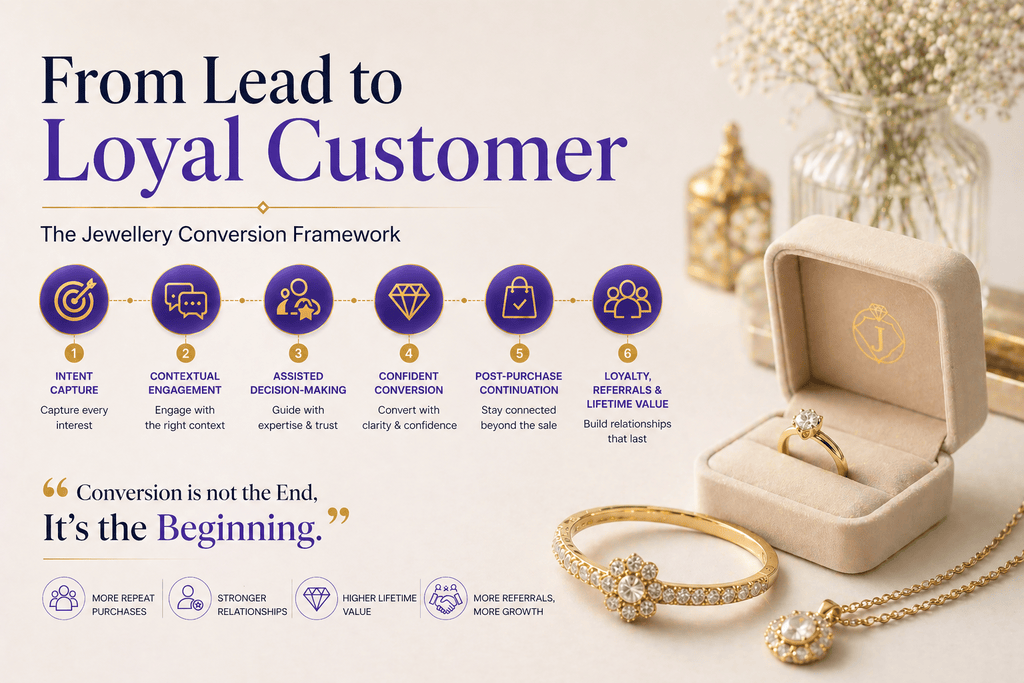
Conversion Is Not the End of Jewellery Sales, It’s the Beginning
Most jewellery businesses celebrate conversion as the finish line.
A sale happens.
The bill is generated.
The lead is marked “Closed – Won”.
And then… silence.
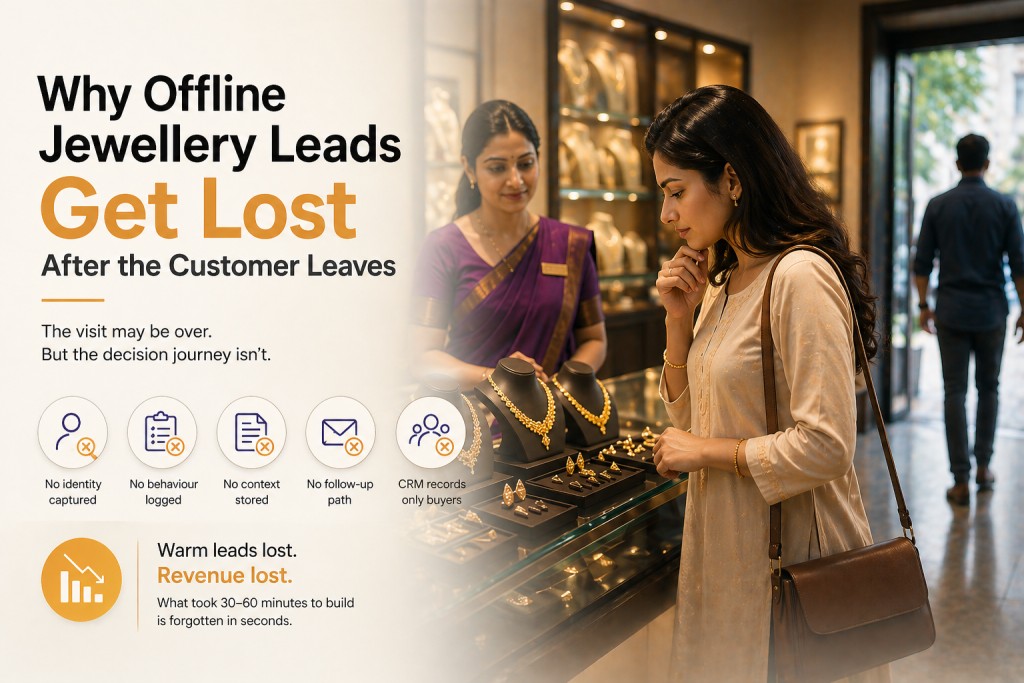
This is where jewellery businesses unknowingly lose:
- Repeat purchases
- Referrals
- Lifetime value
- Brand equity
In jewellery retail, conversion is not an event.
It is a relationship milestone.
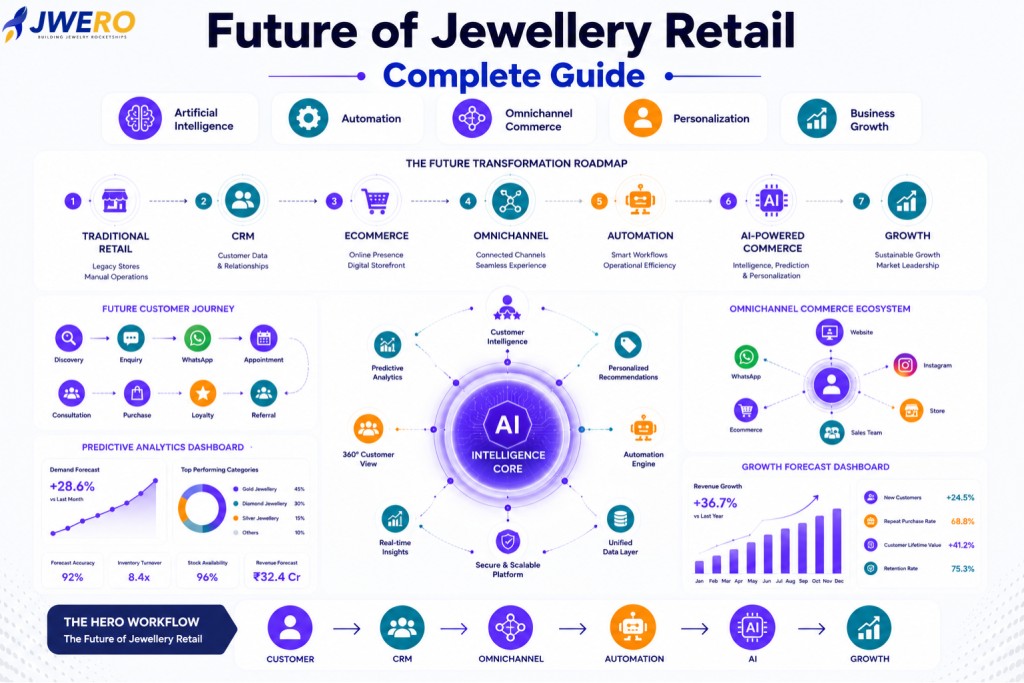
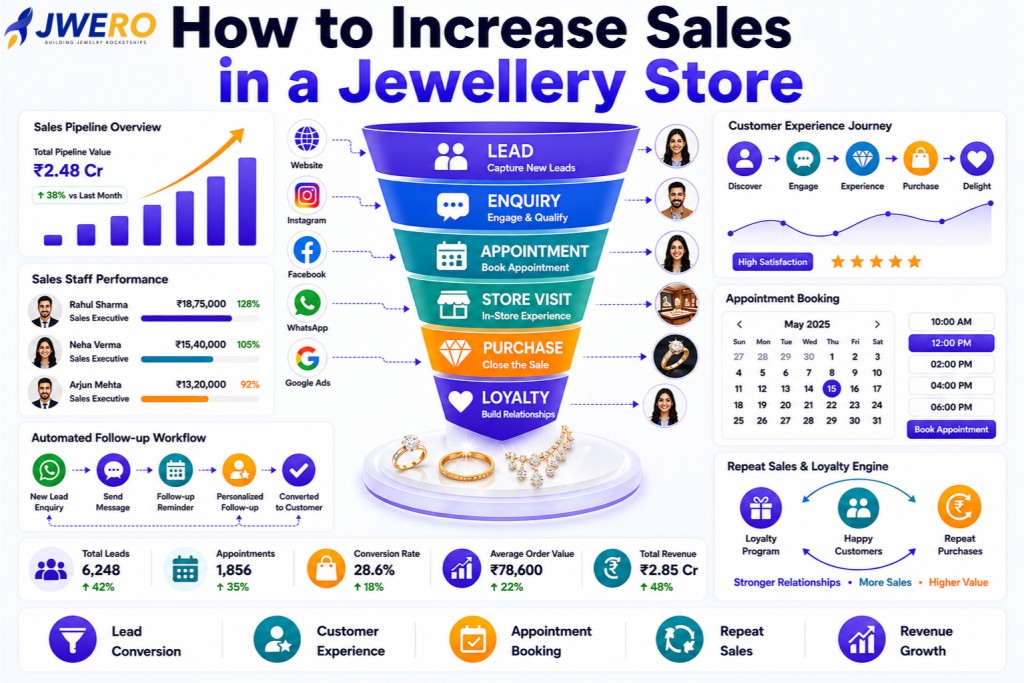
This article explains a modern, scalable Jewellery Conversion Framework — from first intent to lifelong loyalty.
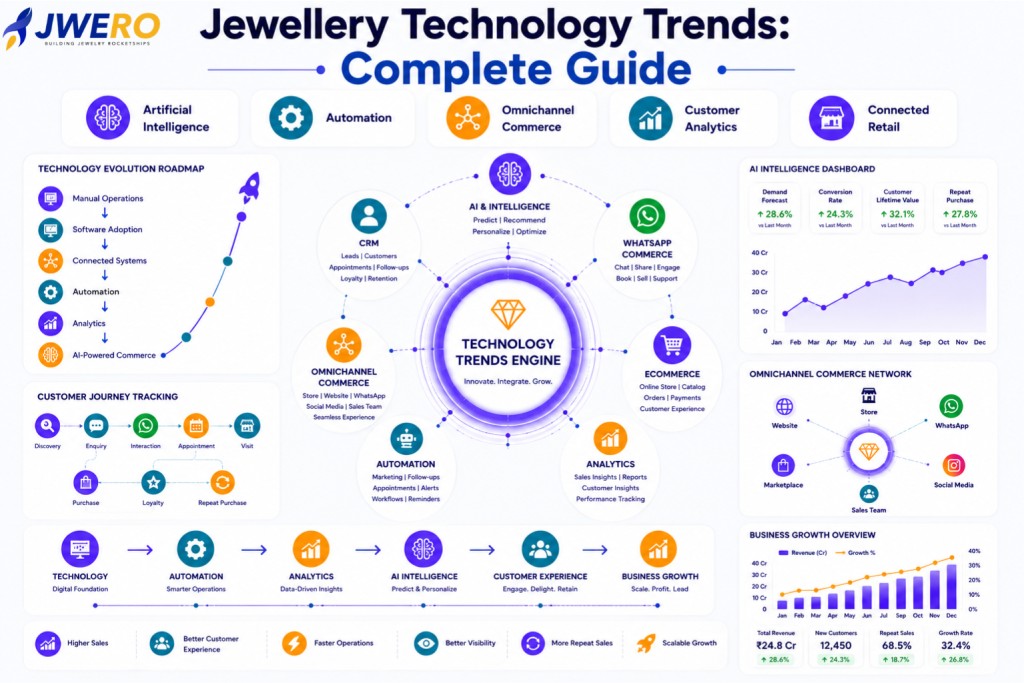
Modern jewellery retailers are increasingly using connected customer engagement ecosystems like Jwero.ai to manage customer relationships beyond the first purchase and improve long-term retention.
Why Jewellery Conversion Needs a Different Framework
Jewellery is not transactional retail.
It is:
- High value
- Emotionally significant
- Occasion-driven
- Trust-based
- Repeat over decades
A customer who buys today may:
- Refer family tomorrow
- Buy again on anniversaries
- Upgrade designs years later
- Invest through gold schemes
Treating conversion as a “close” wastes future revenue.
This is why jewellery retailers require relationship-focused systems instead of short-term sales tracking alone.
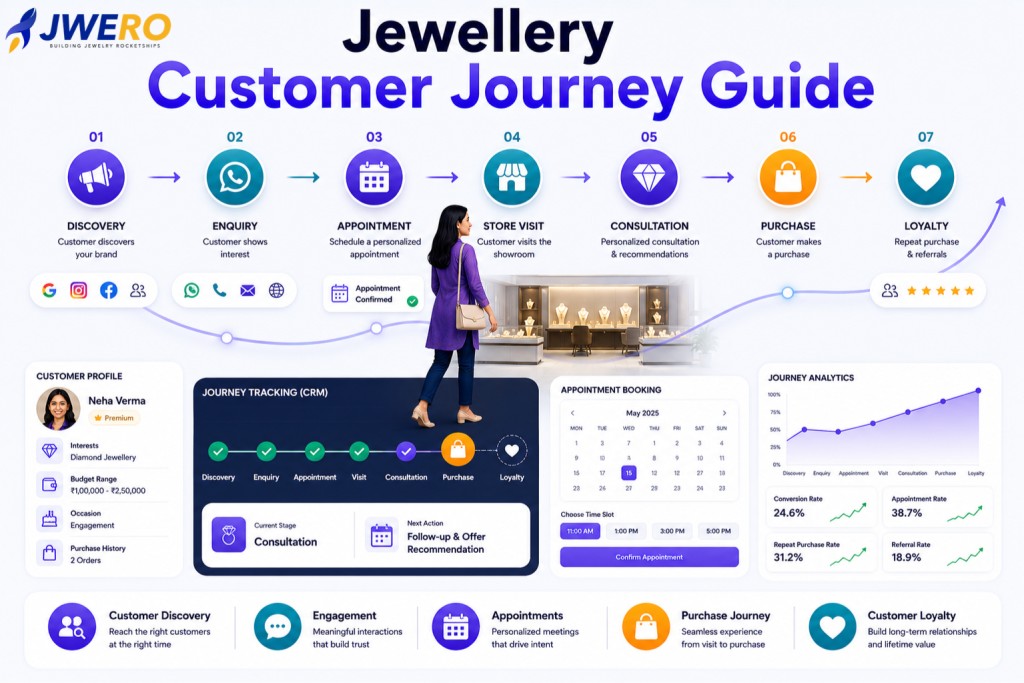
The 6-Stage Jewellery Conversion Framework
Let’s break down what actually converts — and sustains — jewellery customers.
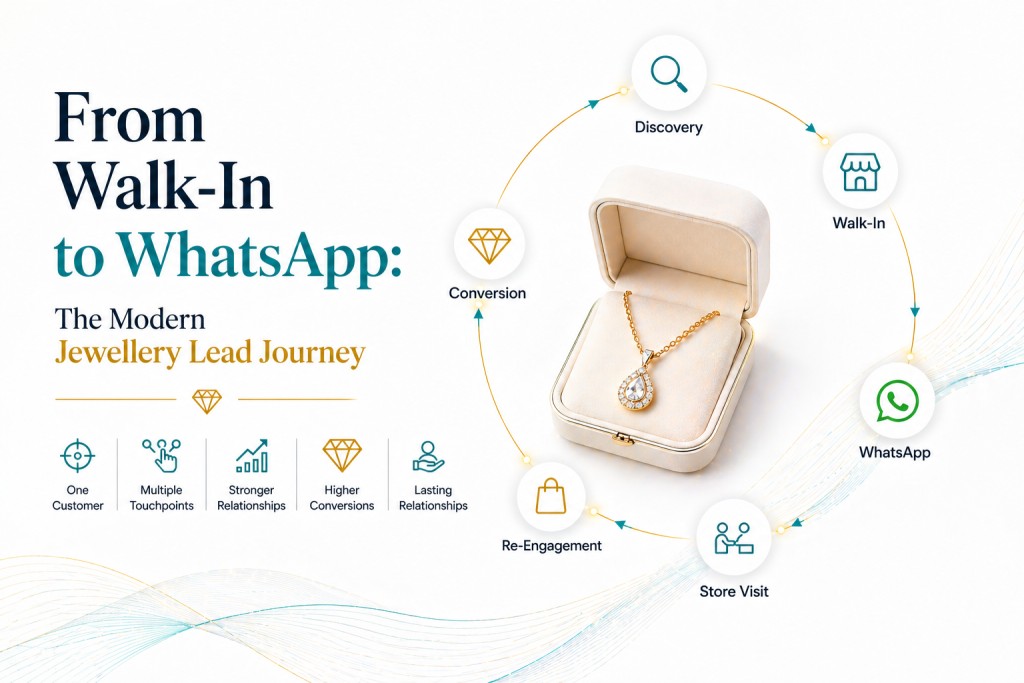
Stage 1: Intent Capture (Before the First Conversation)
Conversion starts before the first follow-up.
Intent appears as:
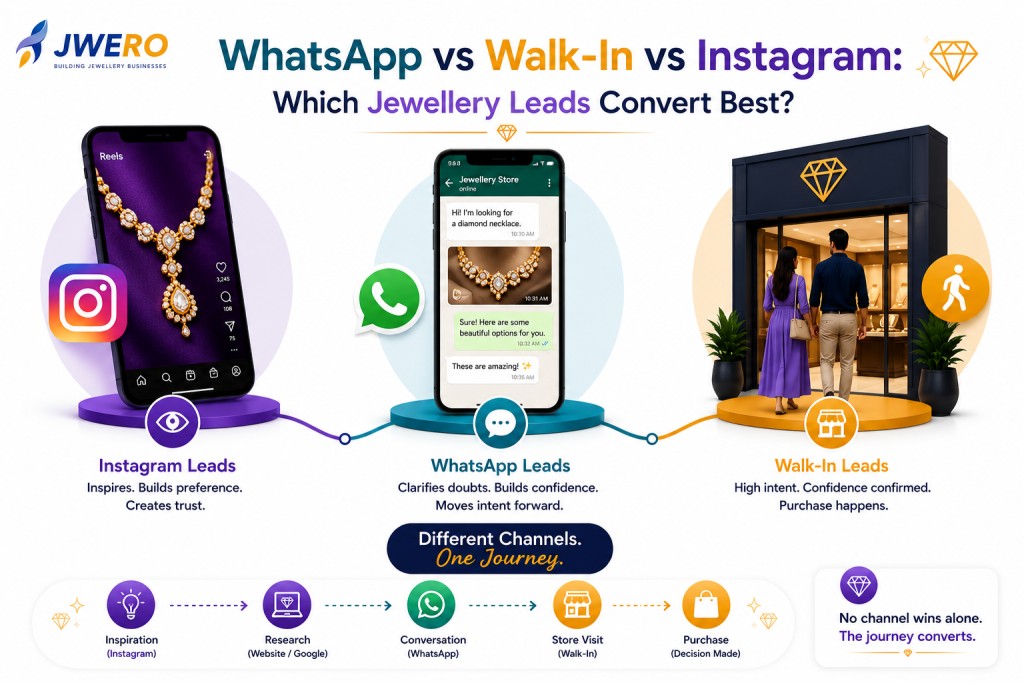
- Walk-ins
- WhatsApp browsing
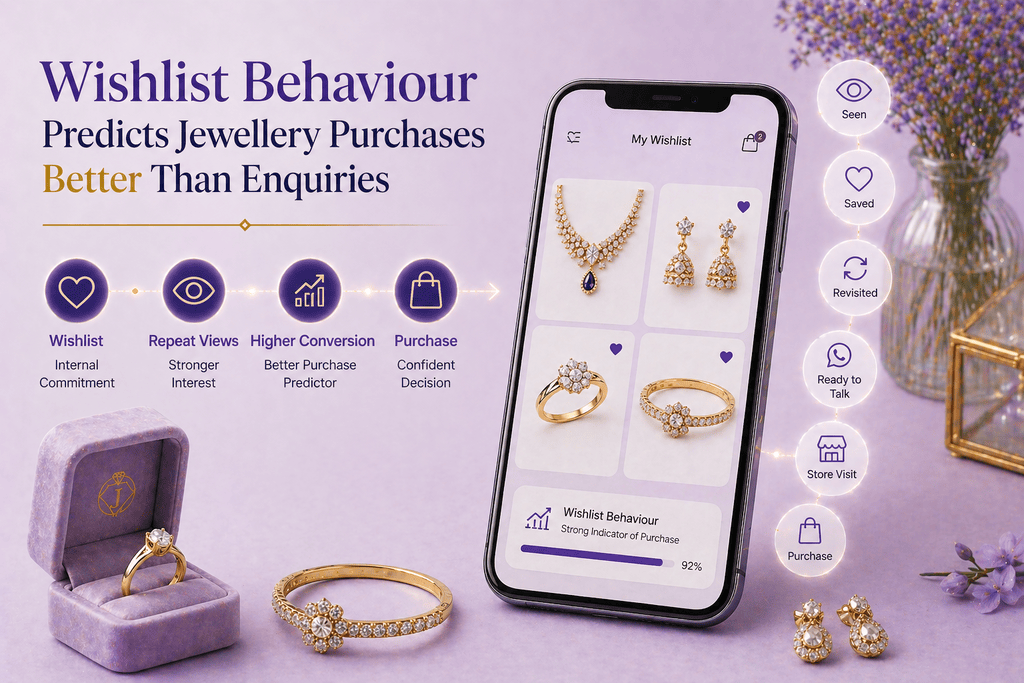
- Website wishlist activity
- Instagram engagement
- Google calls
At this stage:
- Customers are forming preferences
- Trust is fragile
- Pressure backfires
Goal: Capture intent quietly, without friction.
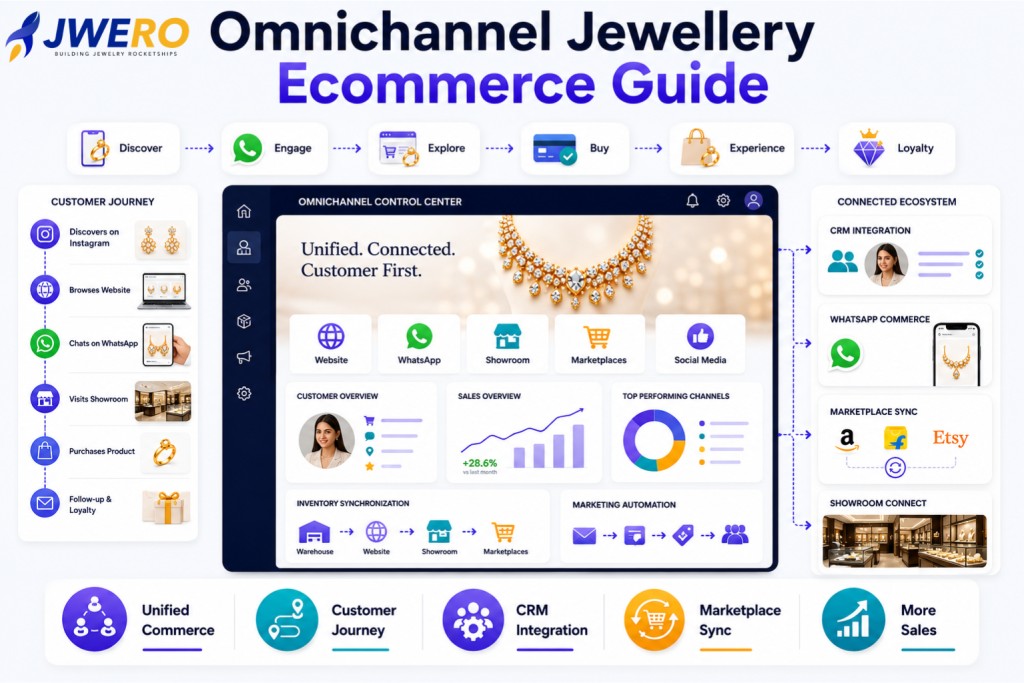
Jewellery retailers increasingly rely on omnichannel engagement systems like JWERO Chats to centralise customer conversations across WhatsApp, Instagram, Facebook, and website enquiries.
Stage 2: Contextual Engagement (Not Generic Follow-Ups)
Once intent is visible:
- Engagement must feel personal
- Timing must respect consideration cycles
Effective engagement includes:
- Design inspiration
- Educational cues (purity, making charges, resale)
- Occasion-based nudges
This builds confidence without selling.
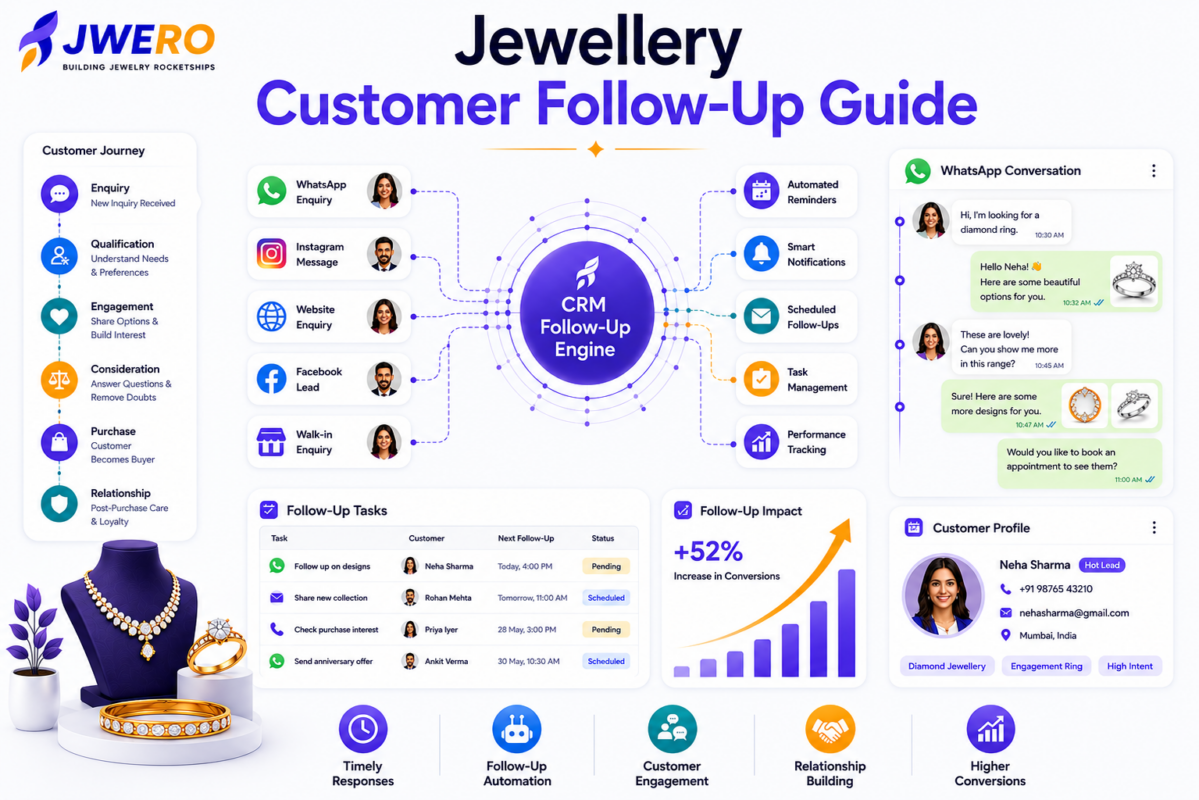
Platforms such as JWERO WhatsApp Automation help jewellery retailers automate contextual follow-ups while preserving personalization and timing accuracy.
Stage 3: Assisted Decision-Making (Where Salespeople Matter Most)
This is where:
- Sales expertise matters
- Human connection adds value
But only if:
- Context is preserved
- Prior interactions are visible
- Preferences are remembered
Customers should feel:
“They already know what I like.”
Not:
“I have to explain everything again.”
Unified customer journey systems reduce friction and improve continuity across channels and store interactions.
Stage 4: Confident Conversion (Trust, Not Pressure)
Conversion happens when:
- Timing aligns
- Family concerns are addressed
- Price transparency exists
- Alternatives are clearly explained
Pressure reduces trust.
Clarity increases confidence.
The system’s role is to:
- Support the salesperson
- Reduce friction
- Maintain continuity
This creates emotionally secure buying experiences instead of pressure-driven sales interactions.
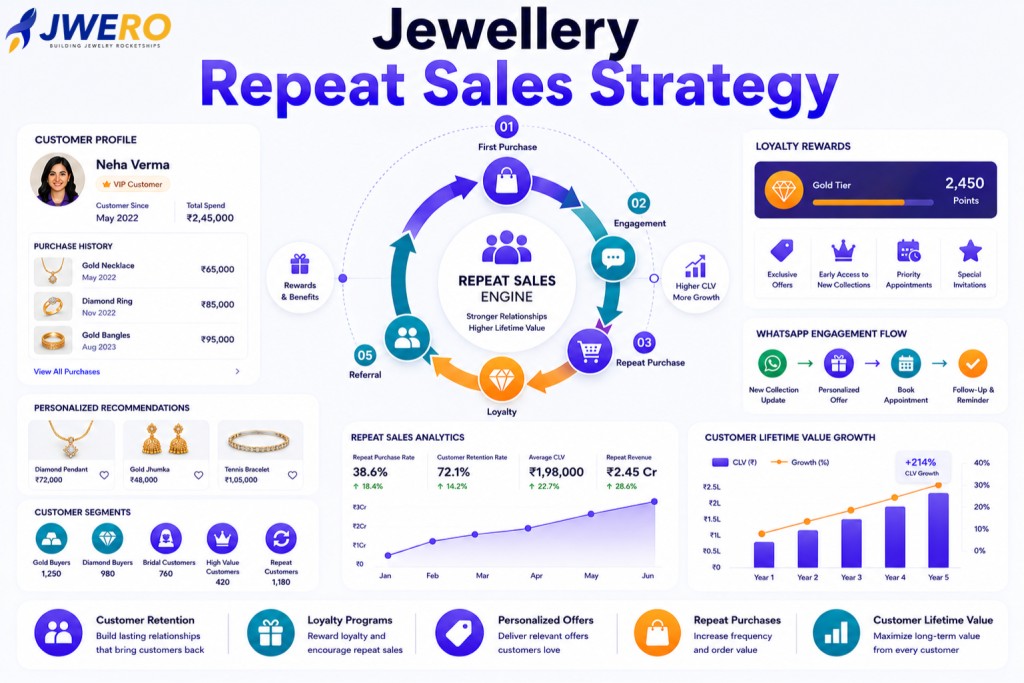
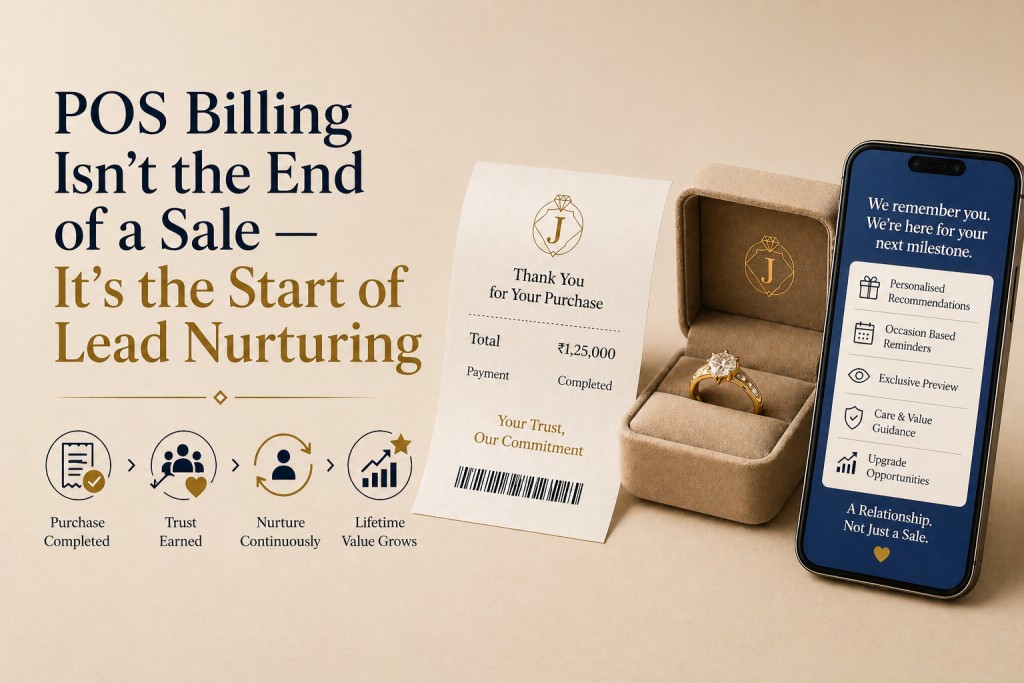
Stage 5: Post-Purchase Continuation (The Most Ignored Stage)
Most jewellery CRMs stop here.
But this stage decides:
- Repeat purchases
- Referrals
- Brand loyalty
Post-purchase engagement includes:
- Care & maintenance guidance
- Certification & resale education
- Occasion reminders
- Upgrade suggestions
This reinforces:
“We didn’t just sell you something. We’re here for the long term.”
Modern jewellery businesses increasingly use systems like JWERO CRM to maintain ongoing customer engagement after the first purchase.
Stage 6: Loyalty, Referrals & Lifetime Value
A satisfied jewellery customer:
- Brings family
- Refers friends
- Returns for milestones
But only if:
- Relationship is maintained
- Communication stays relevant
- Trust remains intact
Loyalty is designed, not assumed.
This is where customer lifetime value becomes more important than one-time conversion metrics.
Why Most Jewellery Businesses Fail This Framework
Common failures include:
- Conversion-centric thinking
- No post-purchase journeys
- No referral orchestration
- No lifetime view of the customer
As a result:
- Each sale feels like starting from zero
- Marketing spends increase unnecessarily
- Brand loyalty weakens over time
Disconnected systems make it difficult for jewellery retailers to maintain continuity throughout the customer lifecycle.
The Role of AI in the Jewellery Conversion Framework
AI enables this framework to work at scale by:
- Tracking intent continuously
- Preserving context automatically
- Triggering next-best actions
- Personalising engagement over time
AI ensures:
- No relationship fades accidentally
- No opportunity depends on memory
Intelligent automation ecosystems like JWERO.ai help jewellery retailers move from reactive engagement to lifecycle-driven relationship management.
Conversion vs Relationship Value: The Real Metric Shift
Old Metrics
- Number of leads
- Conversion rate
- Monthly sales
New Metrics
- Conversion confidence
- Time to repeat purchase
- Referral rate
- Lifetime value
Jewellery growth is built on relationships, not transactions.
Retailers focused only on monthly sales often overlook the long-term revenue potential of loyal customers.
Enterprise Jewellery Perspective: Why This Matters More at Scale
For large jewellery chains:
- Each customer represents multi-year revenue
- Losing loyalty is exponentially expensive
A structured conversion framework:
- Standardises experience across stores
- Protects brand consistency
- Increases customer lifetime value
This is how enterprises grow profitably, not just quickly.
Scalable customer engagement requires centralized visibility across every stage of the buying journey.
Geography & Jewellery Conversion Behaviour
India
- Family-driven purchases
- Occasion-based repeat buying
- Gold schemes strengthen loyalty
Middle East
- High expectations of continuity
- Premium experience matters post-sale
- Referrals are relationship-based
Southeast Asia
- Promotion-driven repeat cycles
- App & digital touchpoints drive loyalty
Conversion frameworks must adapt to regional buying psychology.
Why Jwero Enables End-to-End Jewellery Conversion
Jwero is built to:
- Track customers beyond the first sale
- Maintain full journey context
- Automate post-purchase engagement
- Orchestrate referrals and repeat buying
- Give management a lifetime view
- Turn customers into brand ambassadors
With JWERO One, jewellery retailers gain omnichannel customer visibility, AI-driven engagement workflows, and lifecycle-based relationship orchestration tailored specifically for jewellery businesses.
Jwero doesn’t optimise for:
“Did we close the sale?”
It optimises for:
“Will this customer stay with us?”
Frequently Asked Questions
What is a jewellery conversion framework?
A jewellery conversion framework is a structured customer journey approach that guides buyers from initial intent through purchase, post-sale engagement, loyalty, and repeat buying.
Why is post-purchase engagement important in jewellery?
Because jewellery purchases are relationship-driven and often repeat across anniversaries, weddings, festivals, and family milestones.
How does AI improve jewellery conversion?
AI improves timing, personalization, intent tracking, contextual continuity, and long-term engagement throughout the customer lifecycle.
Is loyalty more valuable than new leads in jewellery retail?
Yes. Loyal customers typically convert faster, spend more, refer others, and cost less to retain compared to acquiring new customers repeatedly.
Why do jewellery retailers struggle with repeat purchases?
Because many businesses stop engagement after conversion and fail to maintain customer relationships through structured post-purchase communication.
How can jewellery retailers increase customer lifetime value?
By building long-term engagement systems that support referrals, repeat purchases, personalized nurturing, and ongoing customer trust.
Final Thought
Jewellery customers don’t want to be closed.
They want to be chosen — again and again.
The jeweller who builds relationships will always outperform the one who chases conversions.
Build Jewellery Customer Relationships That Last Beyond the First Sale
Discover how JWERO.ai helps jewellery retailers automate customer journeys, improve post-purchase engagement, increase repeat buying, and build long-term customer loyalty through AI-powered relationship orchestration.
Explore capabilities including:
- Omnichannel customer engagement
- AI-driven customer nurturing
- WhatsApp automation workflows
- Post-purchase journey orchestration
- Referral and loyalty engagement
- Centralized CRM visibility
what is a jewellery conversion framework, how jewellery retailers improve customer retention, why post-purchase engagement matters in jewellery retail, how AI improves jewellery customer journeys, how jewellery businesses increase repeat purchases, jewellery CRM systems for customer loyalty, how jewellers turn buyers into repeat customers, why jewellery conversion is more than closing a sale, best customer engagement strategy for jewellery retailers, how jewellery brands increase customer lifetime value