

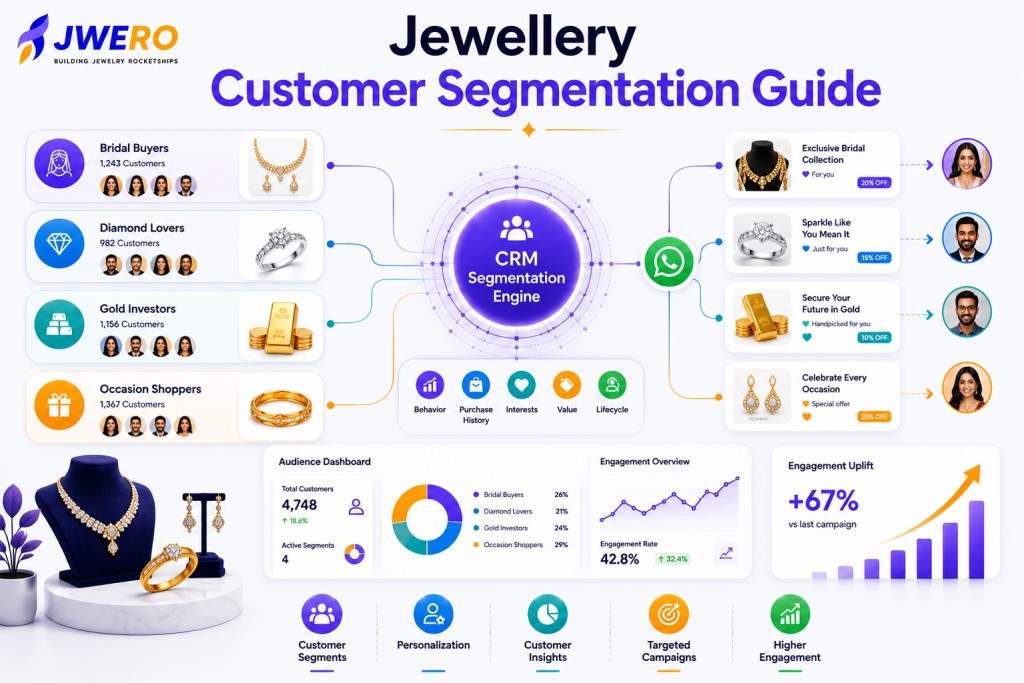
Most jewellery businesses communicate with all customers the same way.
The same promotions
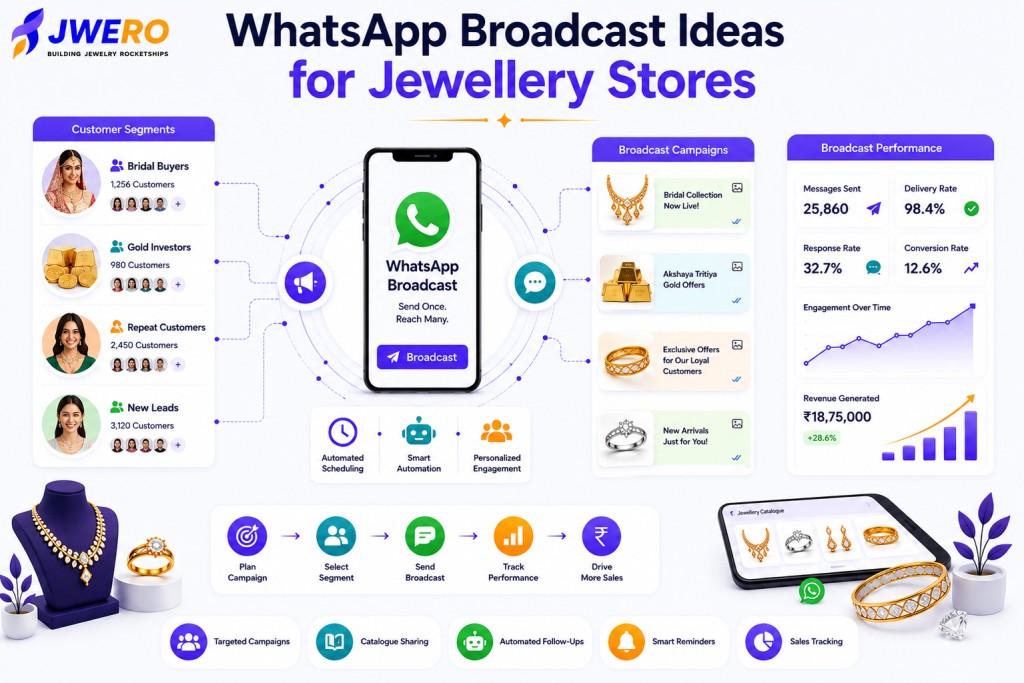
The same WhatsApp campaigns
The same product recommendations
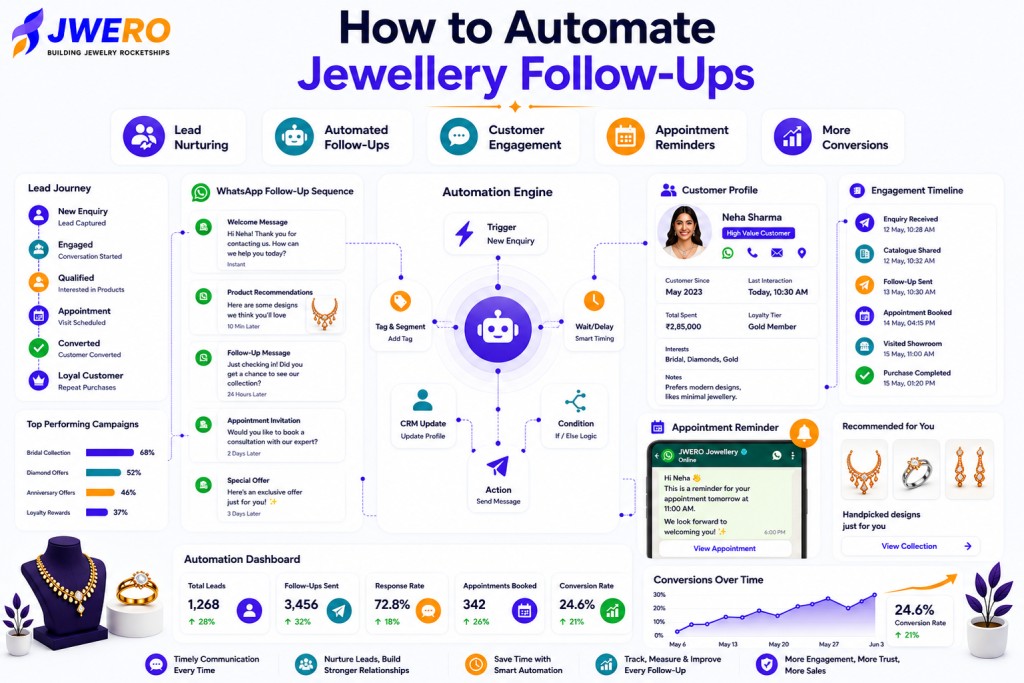
The same follow-ups
The problem?
Customers are not the same.
A bridal jewellery buyer behaves differently from a gold investor.
A diamond enthusiast has different interests from a daily-wear shopper.
Treating every customer identically reduces engagement and limits growth.
This is where customer segmentation becomes valuable.
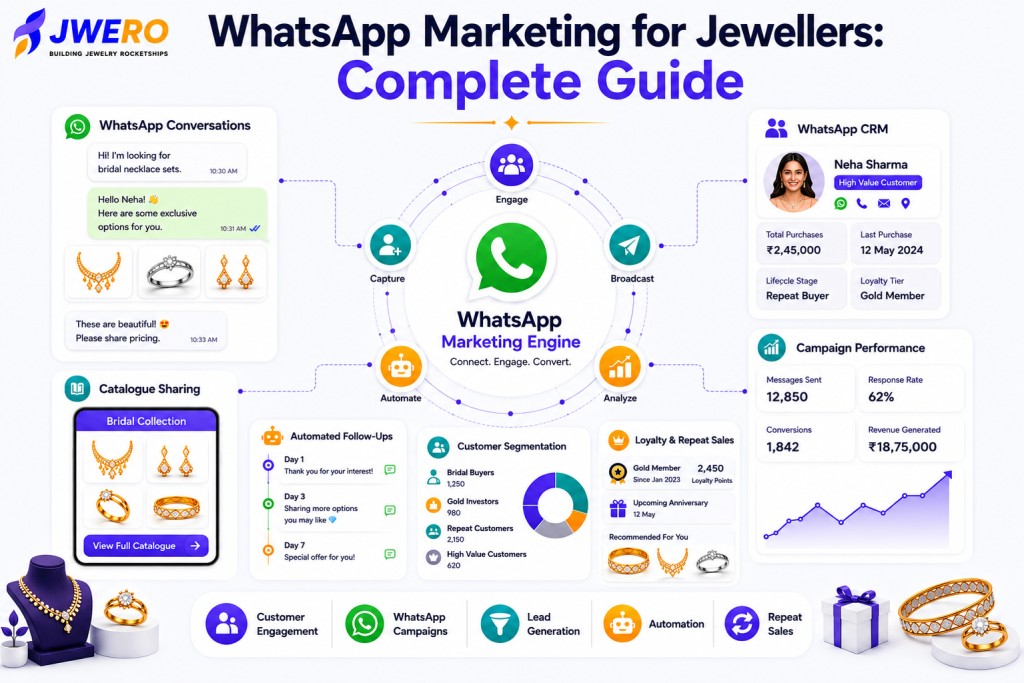
Customer segmentation helps jewellery retailers understand who their customers are and deliver more relevant experiences.
What Is Customer Segmentation?
Customer segmentation is the process of grouping customers based on shared characteristics.
Rather than managing one large customer database, businesses create smaller customer groups with similar behaviours, interests, and needs.
Segmentation helps businesses:
- Improve personalization
- Increase engagement
- Deliver relevant communication
- Improve marketing performance
- Increase customer retention
The goal is relevance.
Why Segmentation Matters in Jewellery Retail
Jewellery purchases are highly personal.
Customers buy for:
- Weddings
- Engagements
- Anniversaries
- Investments
- Fashion
- Gifts
- Daily wear
Each customer journey is different.
Segmentation helps businesses recognise those differences.
The Problem With Generic Communication
Imagine sending a bridal jewellery promotion to:
- Gold investors
- Daily wear buyers
- Corporate gifting customers
The message is unlikely to be relevant.
Generic communication often leads to:
- Lower engagement
- More unsubscribes
- Reduced trust
- Missed opportunities
Segmentation improves message relevance.
Types of Customer Segmentation for Jewellery Retailers
1. Product Interest Segmentation
Group customers based on product preferences.
Examples:
- Diamond Jewellery
- Gold Jewellery
- Bridal Jewellery
- Daily Wear Jewellery
- Luxury Collections
This allows highly targeted campaigns.
2. Purchase History Segmentation
Previous purchases often indicate future interests.
Examples:
- First-time buyers
- Repeat customers
- High-value customers
- Frequent purchasers
Purchase behaviour is one of the strongest segmentation signals.
3. Lifecycle Segmentation
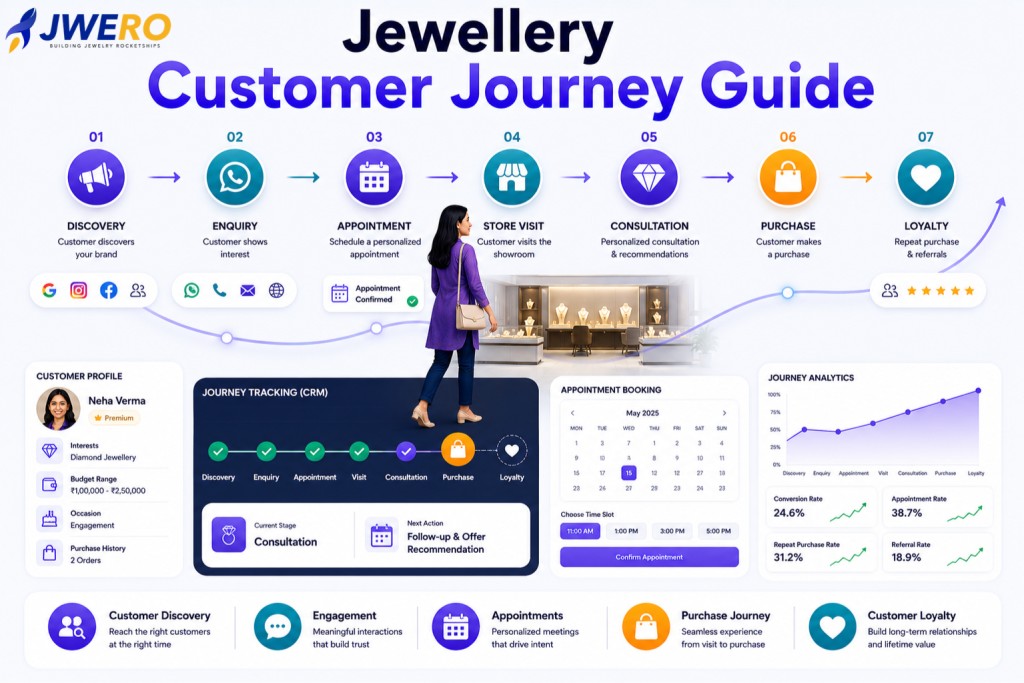
Customers are at different stages of their journey.
Examples:
- New Leads
- Active Prospects
- First-Time Customers
- Repeat Buyers
- Loyal Customers
Each stage requires different communication.
4. Occasion-Based Segmentation
Jewellery purchases are often linked to life events.
Examples:
- Engagement Customers
- Wedding Customers
- Anniversary Buyers
- Birthday Gift Buyers
This creates highly relevant engagement opportunities.
5. Value-Based Segmentation
Not all customers contribute equally.
Examples:
- High-value customers
- Medium-value customers
- Emerging customers
Understanding customer value helps prioritise engagement efforts.
How CRM Improves Segmentation
CRM systems make segmentation significantly easier.
Rather than manually filtering spreadsheets, CRM enables businesses to:
- Create customer groups
- Apply filters
- Track behavior
- Automate campaigns
This improves scalability.
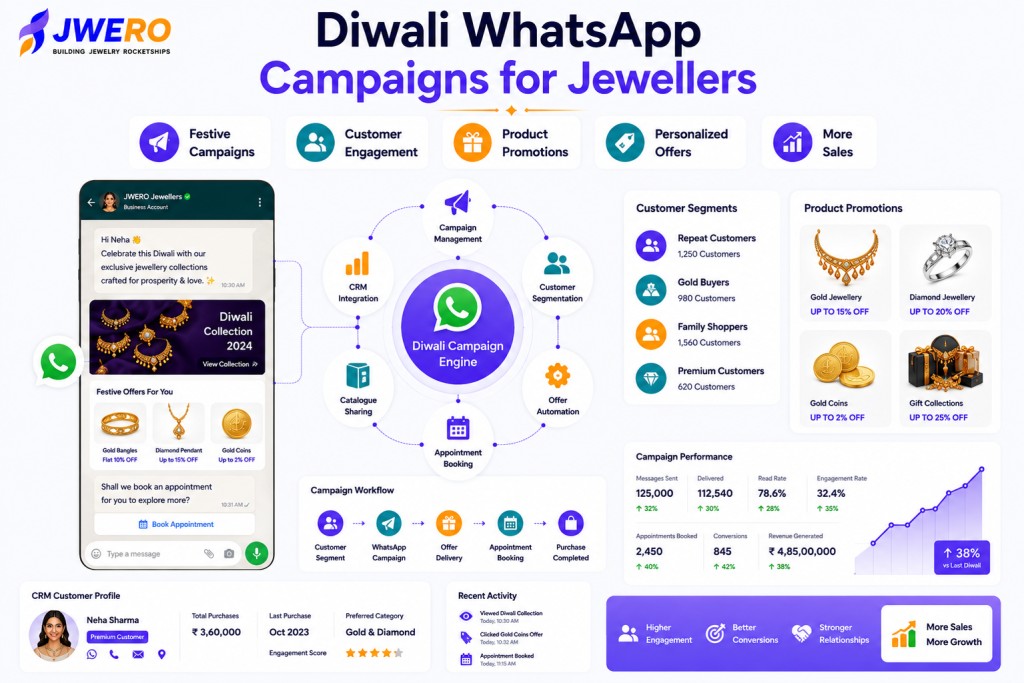
Segmentation and WhatsApp Marketing
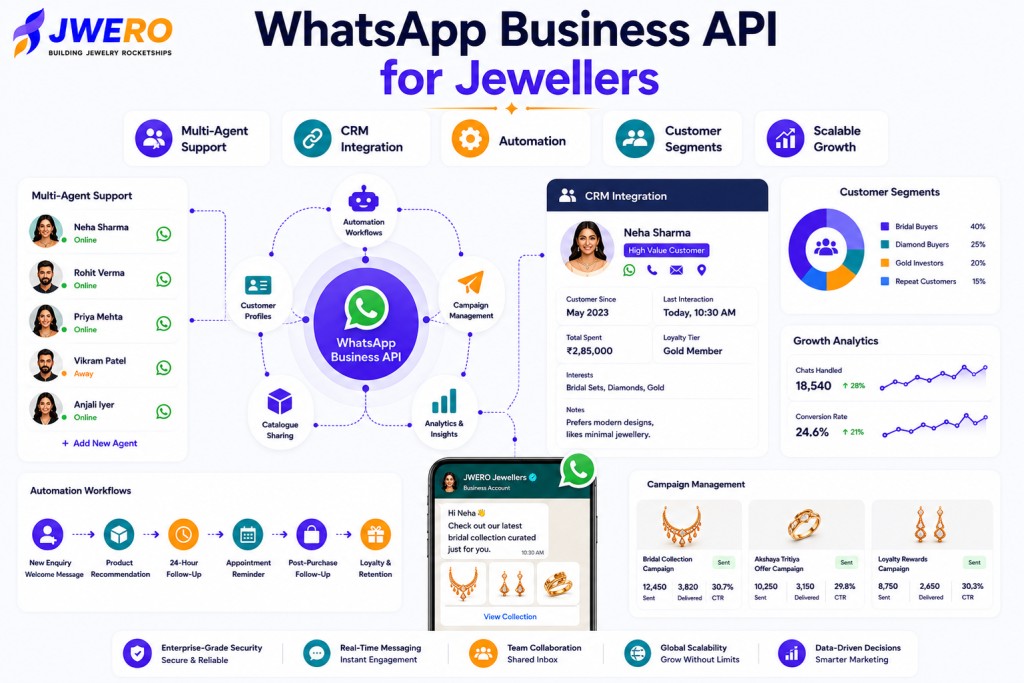
WhatsApp becomes more powerful when connected to customer segments.
Instead of sending one campaign to everyone:
You can send:
- Bridal collections to bridal buyers
- Investment products for gold investors
- Upgrade opportunities to existing customers
This increases engagement rates.
Segmentation and Customer Experience
Personalisation improves customer experience.
Customers appreciate communication that reflects:
- Their interests
- Their purchase history
- Their current needs
Segmentation helps businesses deliver this experience consistently.
Common Segmentation Mistakes
Creating Too Many Segments
Complexity can become difficult to manage.
Using Outdated Data
Segments should evolve as customer behaviour changes.
Focusing Only on Demographics
Behaviour often matters more than age or location.
Ignoring Customer Lifecycle
Customer needs change over time.
Measuring Segmentation Success
Key metrics include:
Campaign Engagement
Open rates and response rates.
Conversion Rates
Segment-specific conversion performance.
Repeat Purchases
Retention effectiveness.
Customer Lifetime Value
Long-term customer value.
Revenue Per Segment
Financial contribution of each group.
These metrics help refine segmentation strategies.
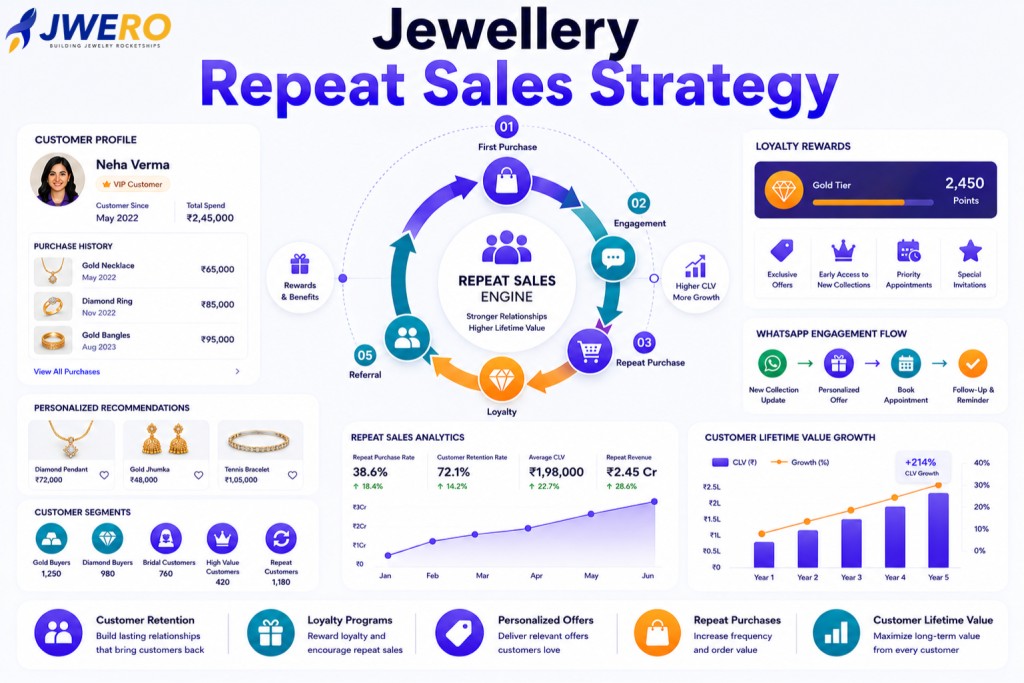
How Segmentation Increases Repeat Sales
Relevant communication drives engagement.
Relevant engagement creates trust.
Trust supports repeat purchases.
Segmentation helps businesses:
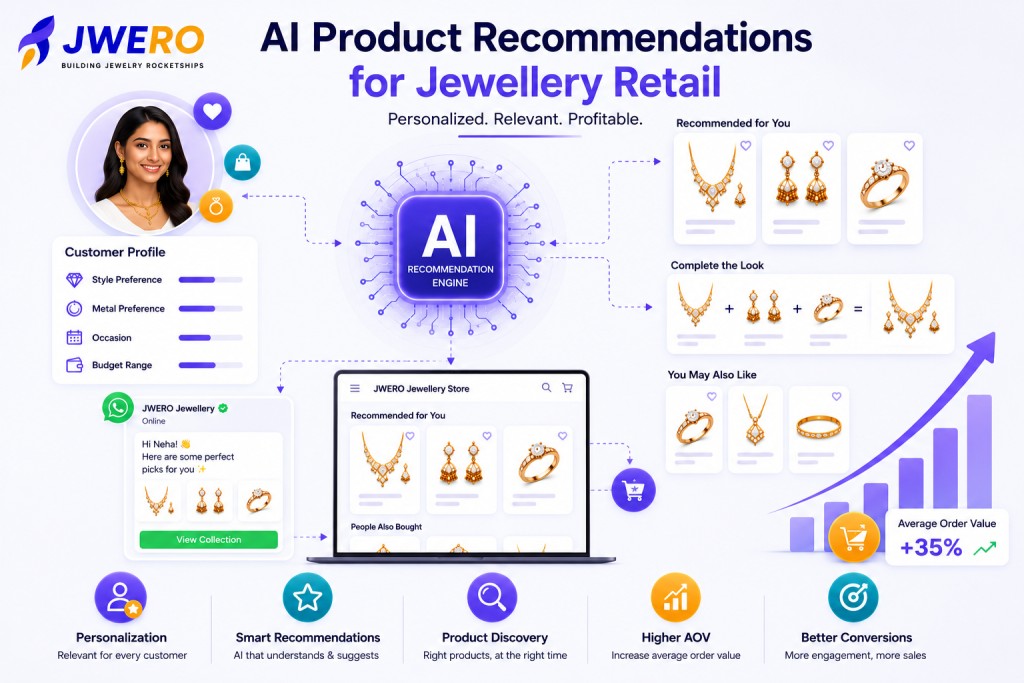
- Deliver better recommendations
- Create personalized journeys
- Improve customer retention
The result is stronger long-term growth.
The Future of Jewellery Customer Segmentation
Segmentation is evolving beyond static customer lists.
Future segmentation will increasingly use:
- Artificial Intelligence
- Predictive analytics
- Behavioral intelligence
- Customer intent signals
Segments will become more dynamic and personalised.
How Jwero Supports Customer Segmentation
Jwero helps jewellery businesses create customer segments using:
- Customer profiles
- Purchase history
- Product interests
- Engagement behavior
- Lifecycle stages
This helps businesses deliver more personalised customer experiences across CRM, WhatsApp, and customer engagement channels.
Final Thoughts
Customer segmentation is one of the most powerful tools available to jewellery retailers.
It transforms customer data into customer understanding.
Rather than communicating with everyone the same way, businesses can engage customers based on their unique interests, behaviours, and journeys.
The result is better engagement, stronger customer relationships, and increased sales.
Frequently Asked Questions
What is jewellery customer segmentation?
Jewellery customer segmentation is the process of grouping customers based on shared characteristics such as purchase history, product interests, customer value, and lifecycle stage.
Why is customer segmentation important?
Segmentation helps businesses deliver more relevant communication and improve customer engagement.
How does CRM help customer segmentation?
CRM systems organise customer data and make it easier to create, manage, and update customer segments.
What are the most useful jewellery customer segments?
Common segments include bridal buyers, diamond customers, gold investors, repeat buyers, and high-value customers.
Can segmentation improve WhatsApp marketing?
Yes. Segmentation enables businesses to send more relevant and personalised WhatsApp campaigns.
Does customer segmentation increase sales?
Better personalisation often leads to stronger engagement, improved customer retention, and higher sales.