

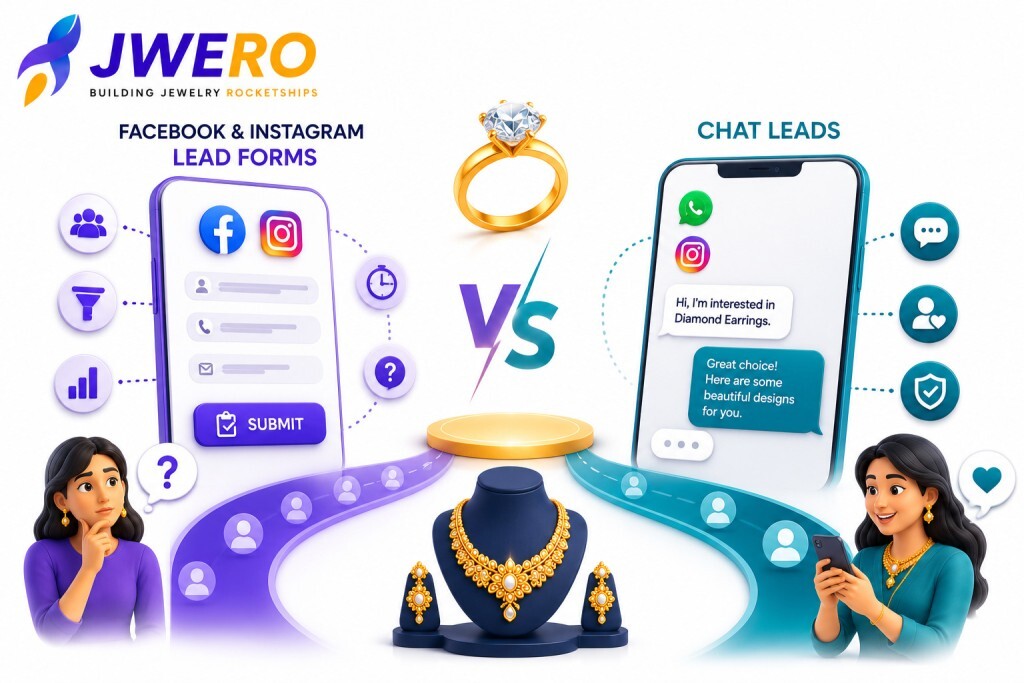
Executive Summary
Jewellery brands generate thousands of leads from Facebook and Instagram every month.
Yet conversion rates remain inconsistent, not because of creative or spend, but because lead types are misunderstood.
The real question is not which channel is cheaper.
It is the lead format that captures intent and actually converts in jewellery.
The answer is not binary, but the differences are decisive.
Why Jewellery Leads Are Not Like Other Categories
Jewellery purchases are:
- High-consideration
- Emotion and finance-driven
- Often delayed by weeks or months
- Dependent on trust, not urgency
This means:
The way intent is captured matters more than where it comes from.
Lead formats shape behaviour long after the ad click.
Facebook & Instagram Lead Forms: The Illusion of Volume
What Lead Forms Are Good At
- Capturing low-friction interest
- Driving high volume
- Lower CPL
- Quick campaign scaling
What They Actually Capture
- Passive curiosity
- Early-stage browsing intent
- Customer interest in owning a product.
- “Save for later” behaviour
For jewellery, this often means:
- Many leads
- Few ready buyers
- Long silent periods
- Heavy follow-up dependency
Lead forms start journeys, but rarely finish them.
Why Lead Forms Struggle to Convert in Jewellery
Lead forms:
- Ask for information, not commitment
- Allow accidental submissions
- Capture intent before confidence forms
- Create an expectation of follow-up pressure
As a result:
- Customers often disengage after submission
- Advisors chase prematurely
- WhatsApp becomes noisy
- Trust erodes early
The lead exists, but intent is fragile.
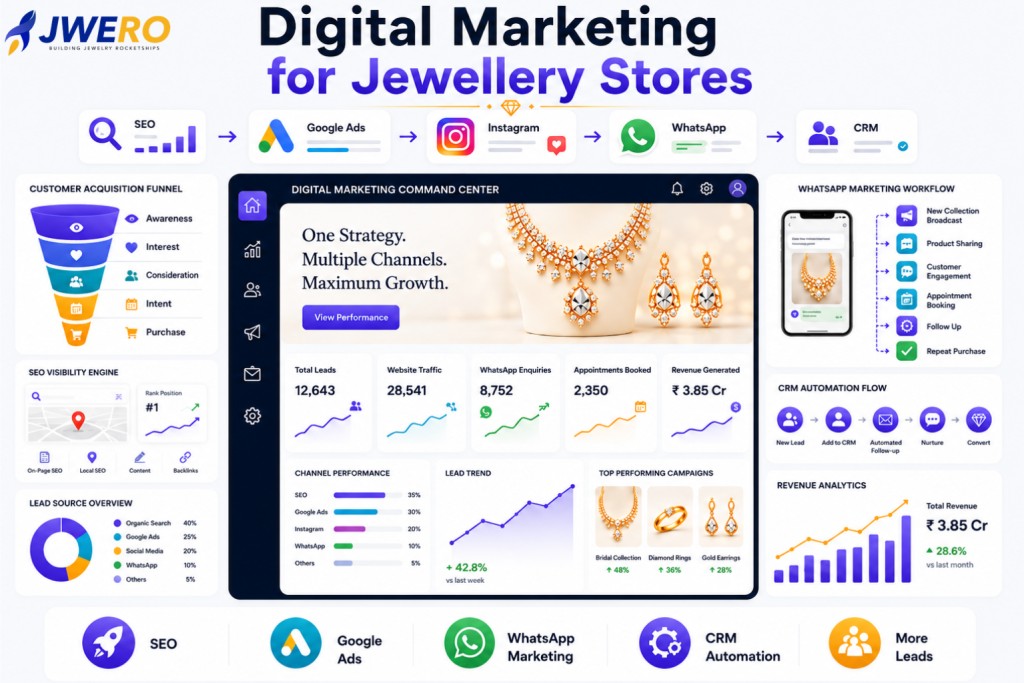
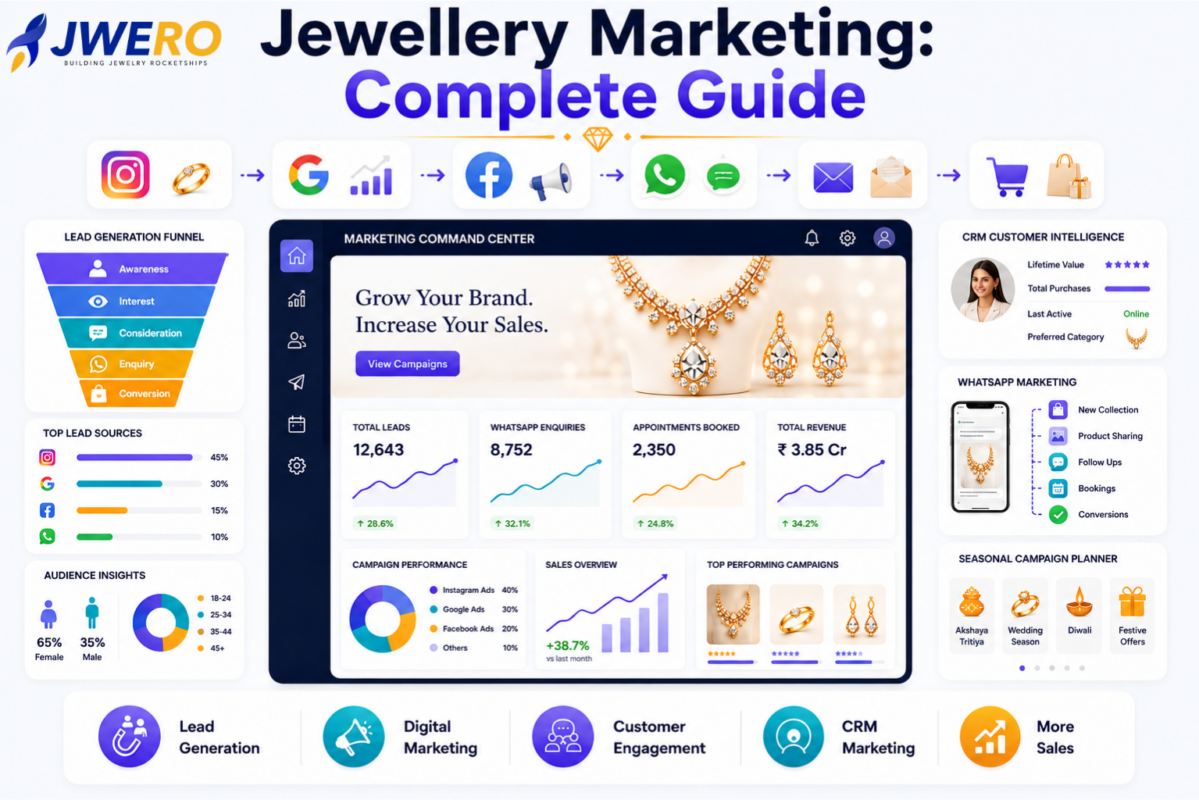
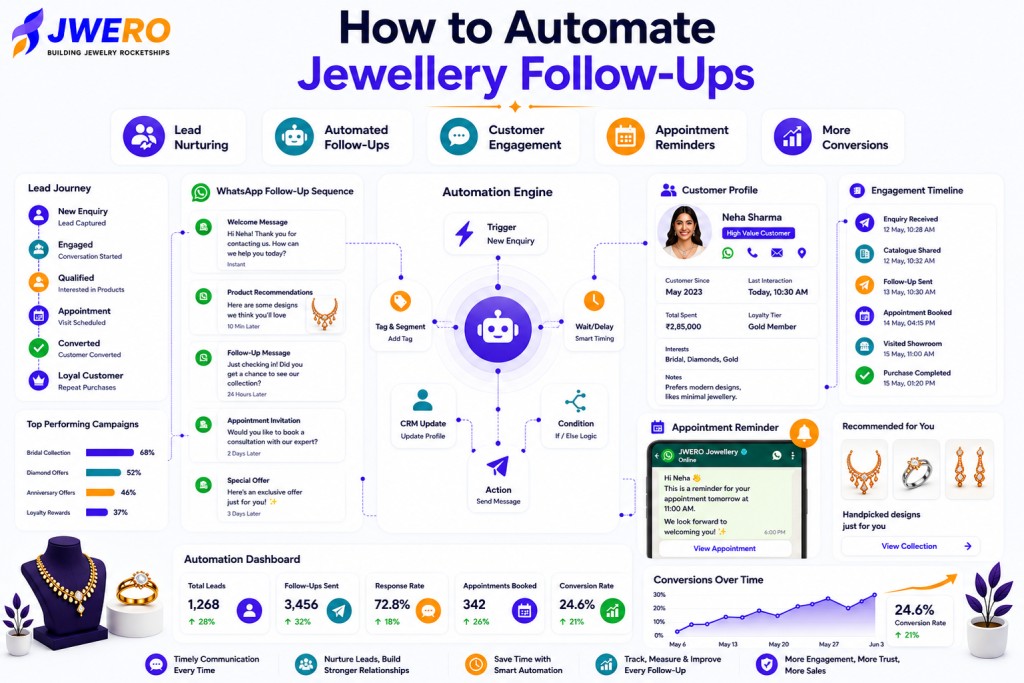
For brands handling large lead volumes, better nurturing systems and customer engagement workflows become essential. Platforms such as Jwero.ai help businesses organise customer journeys beyond the initial form submission.
Chat Leads: Intent Through Action, Not Forms
Chat leads include:
- WhatsApp conversations
- Instagram DMs
- Click-to-chat interactions
These leads:
- Require active engagement
- Indicate willingness to converse
- Signal comfort with the brand
- Allow context to form immediately
This does not necessarily mean chat leads are hotter.
It means they are clearer.
Chat captures expressed intent, not assumed intent.
Why Chat Leads Convert Better in Jewellery
Chat leads convert better because:
- Customers control the pace
- Questions surface naturally
- Silence is allowed
- Trust builds before selling
- Advisors respond instead of chasing
In jewellery, control creates comfort.
And comfort often precedes conversion.
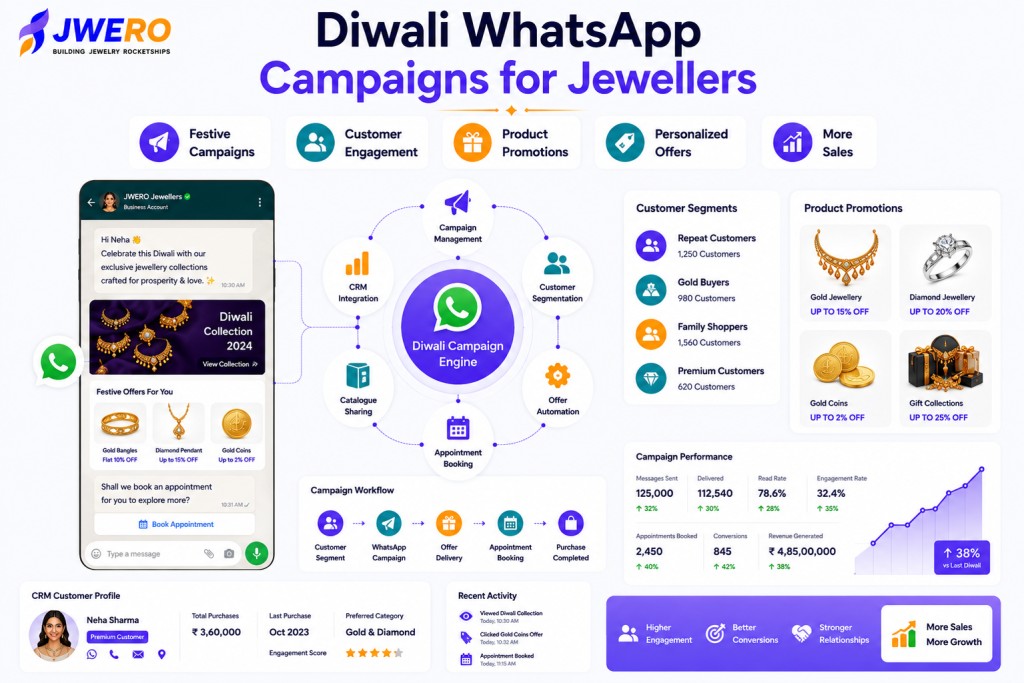
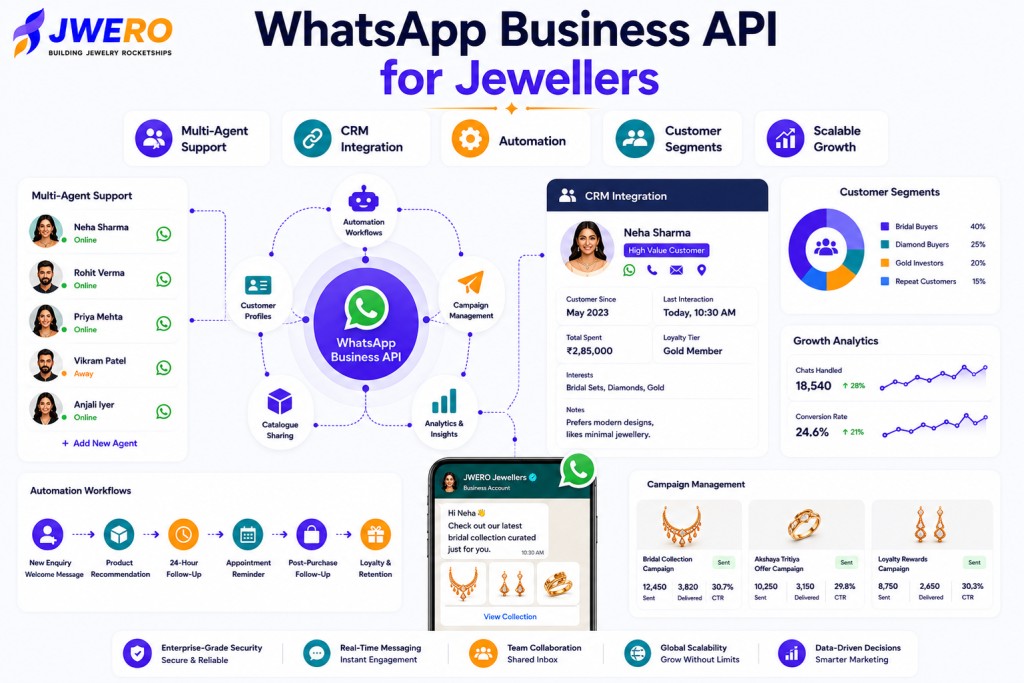
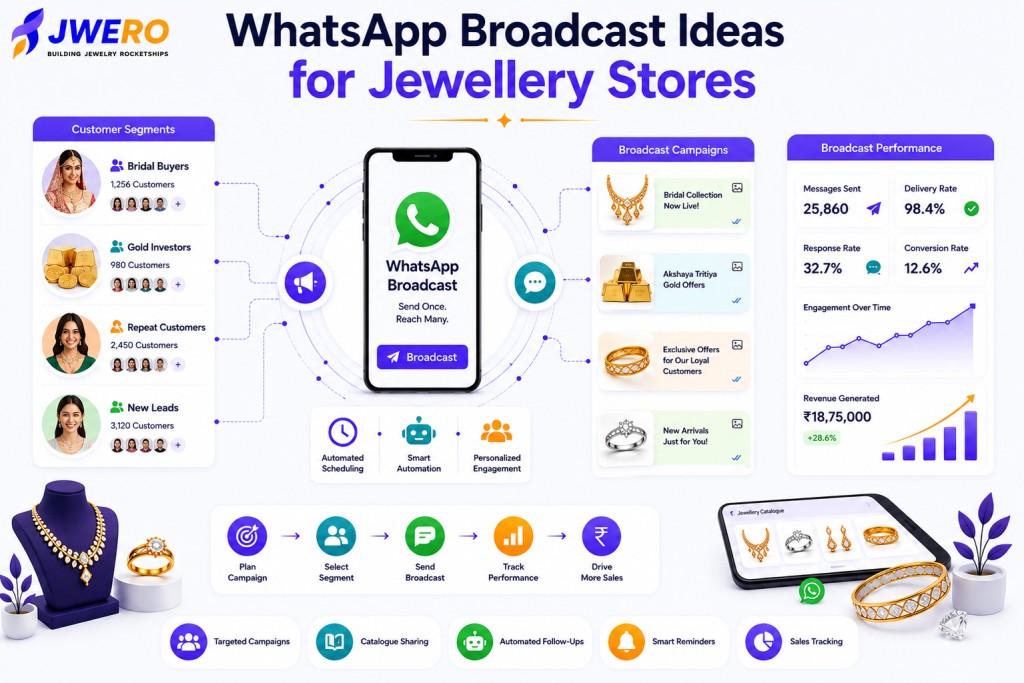
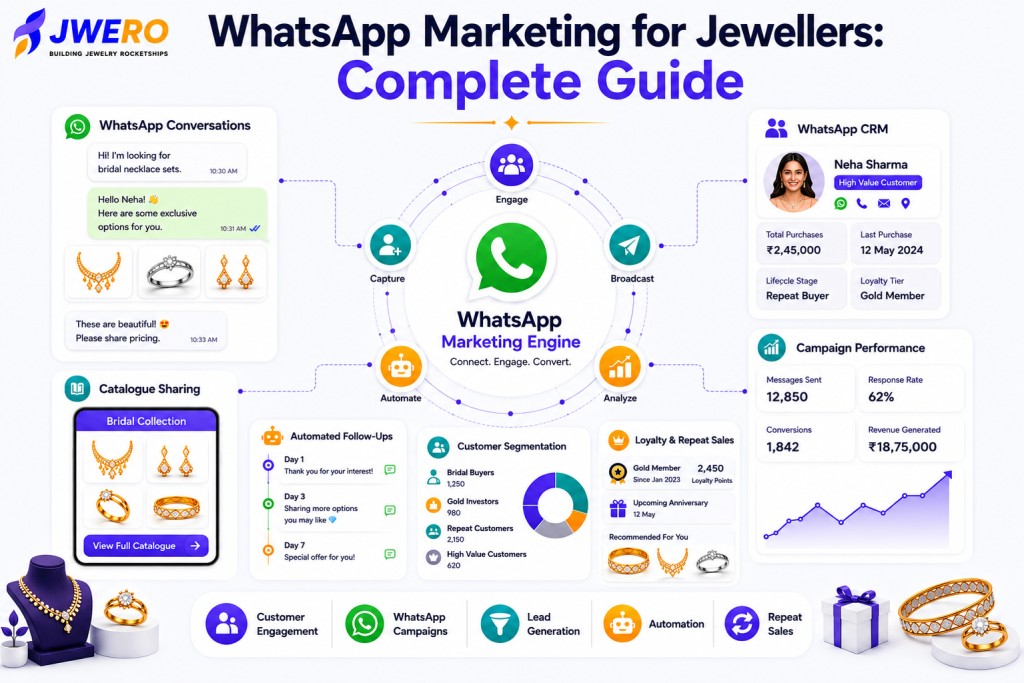
Brands using Jwero WhatsApp can have more natural customer conversations and avoid sending too many follow-up messages.
The Hidden Cost of Treating Both Leads the Same
Many brands:
- Route both lead types into the same CRM
- Trigger the same follow-ups
- Assign the same advisors
- Measure success the same way
This creates:
- Over-follow-up on lead forms
- Under-leveraging of chat leads
- Advisor fatigue
- Lost high-intent moments
Different intent sources require different orchestration.
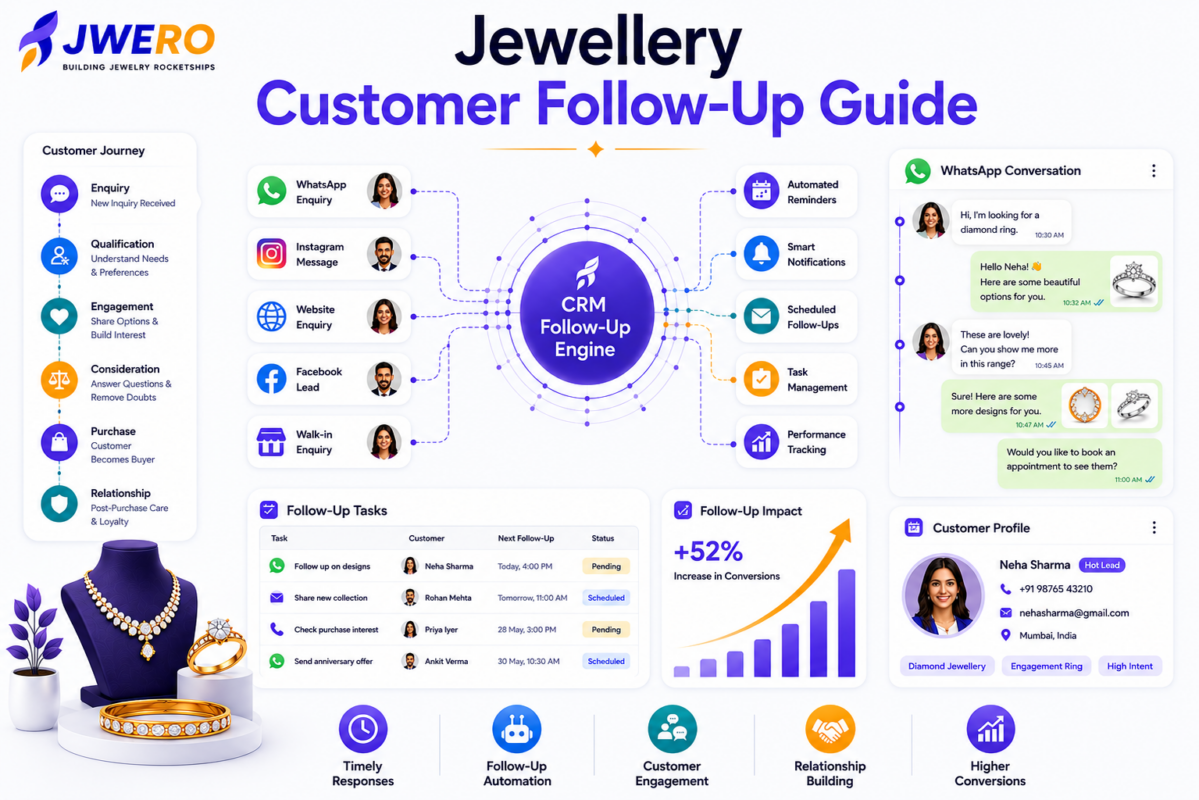
Jwero Chats helps teams understand each customer better instead of treating every lead the same way.
The Right Way to Use Both (Strategically)
Lead Forms Should
- Feed long-term nurturing
- Be app-led or content-led
- Minimise immediate WhatsApp pressure
- Be scored over time using behaviour signals
Chat Leads Should
- Be addressed first.
- Routed to responsive advisors
- Kept natural rather than focused on selling.
- Protected from automation overload
Both approaches work.
If used correctly.
Conversion Reality: A CXO View
| Dimension | Lead Forms | Chat Leads |
|---|---|---|
| Volume | High | Lower |
| Intent clarity | Low | High |
| Follow-up dependency | High | Low |
| Advisor effort | Heavy | Focused |
| Time to convert | Long | Shorter |
| Trust formation | Weak early | Strong early |
| Scalability | Fragile | Stable |
Chat leads convert better per lead.
Lead forms convert better over time when nurtured properly.
The Strategic Mistake Leaders Make
The mistake is asking:
“Which channel converts better?”
The better question is:
“Which lead type is ready for which journey?”
Jewellery growth comes from:
- Separating lead intent types
- Paying attention to customer actions.
- Orchestrating engagement timing
- Reducing pressure instead of increasing follow-ups
Final Thought
Lead forms capture interest. Chat captures intent.
In jewellery retail, intent clarity beats lead volume every time.
Brands that understand this stop arguing about channels.
Instead, they design journeys that match how customers actually decide.
That is when conversion becomes predictable rather than accidental.
Frequently Asked Questions
Do chat leads convert better than Facebook lead forms?
Generally, yes. Chat leads often show clearer intent because customers actively choose to start a conversation.
Why do jewellery lead forms generate lower conversion rates?
Lead forms frequently capture early-stage interest before trust and buying confidence have developed.
Should jewellery brands stop using lead forms?
No. Lead forms are effective for generating awareness and building long-term nurture pipelines.
What is the biggest advantage of chat leads?
Chat leads create immediate context and allow trust to develop naturally through conversation.
How should jewellery retailers manage different lead types?
Lead forms should enter follow-up workflows, while chat leads should receive faster and more relevant responses.
Build Better Jewellery Lead Journeys
Lead generation is only the beginning.
The strongest jewellery brands capture customer intent, build relationships, and convert opportunities over time.
Explore how connected customer engagement, WhatsApp workflows, and omnichannel communication can help create more consistent conversion outcomes.
Learn more at Jwero.ai.